Defining Mouse Pressure in Different Environments
Mouse pressure refers to the frequency and intensity of mouse activity in a given area. It indicates how often mice interact with human environments and how widespread their presence becomes. Areas with higher mouse pressure have more frequent sightings, damage, or contamination. Rural-adjacent suburbs and dense urban cores can show markedly different mouse pressure levels. These differences arise due to the unique biological, environmental, and structural factors in each zone.
Biological and Ecological Factors Affecting Mouse Populations
Mice respond to food availability, shelter, and predation risk. In rural-adjacent suburbs, these factors often diverge from those in dense urban cores.
Rural-adjacent suburbs often have mixed environments with patches of natural habitat, gardens, and undeveloped land. These create more varied food sources such as seeds, insects, and garden waste. These zones also offer more diverse shelter options like thick vegetation, woodpiles, and abandoned structures. This variety can support larger or more dispersed mouse populations.
Dense cores generally lack green spaces and natural habitats. Food is mostly human-generated, found within buildings, trash containers, and sewer systems. Shelter tends to be limited to cracks in buildings, basements, and heated infrastructure. This concentration can lead to smaller but more consistently present mouse populations hiding mostly indoors.
Environmental Conditions and Their Influence on Mouse Behavior
Climate and landscape shape mouse behavior differently in these zones. Rural-adjacent suburbs may have less severe heat island effects than dense cores. These suburbs often experience more natural temperature variation, influencing mouse breeding cycles and activity periods.
Dense cores typically have urban heat islands, raising average temperatures. This can allow mice to be active year-round and reproduce continuously. The artificial lighting and constant food supply also encourage persistent mouse activity in dense cores, even when natural food is scarce.
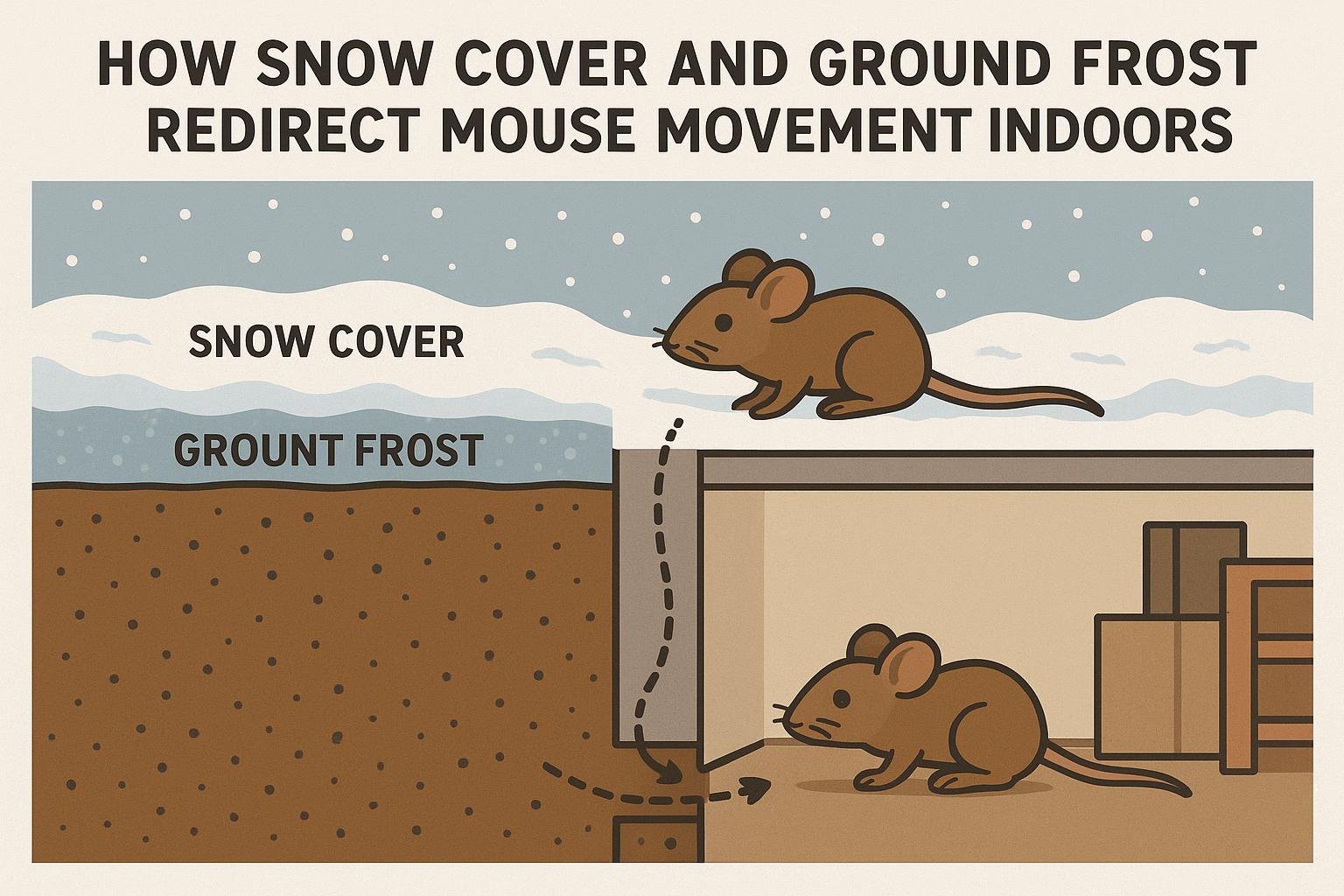
Weather impacts mouse pressure differently too. Flooding or heavy rain in rural-adjacent zones can temporarily reduce mouse activity by forcing them to seek higher ground. In urban cores, drainage systems may offer stable refuge, enabling populations to sustain pressure even during adverse weather.
Structural Differences Between Rural-Adjacent Suburbs and Dense Cores
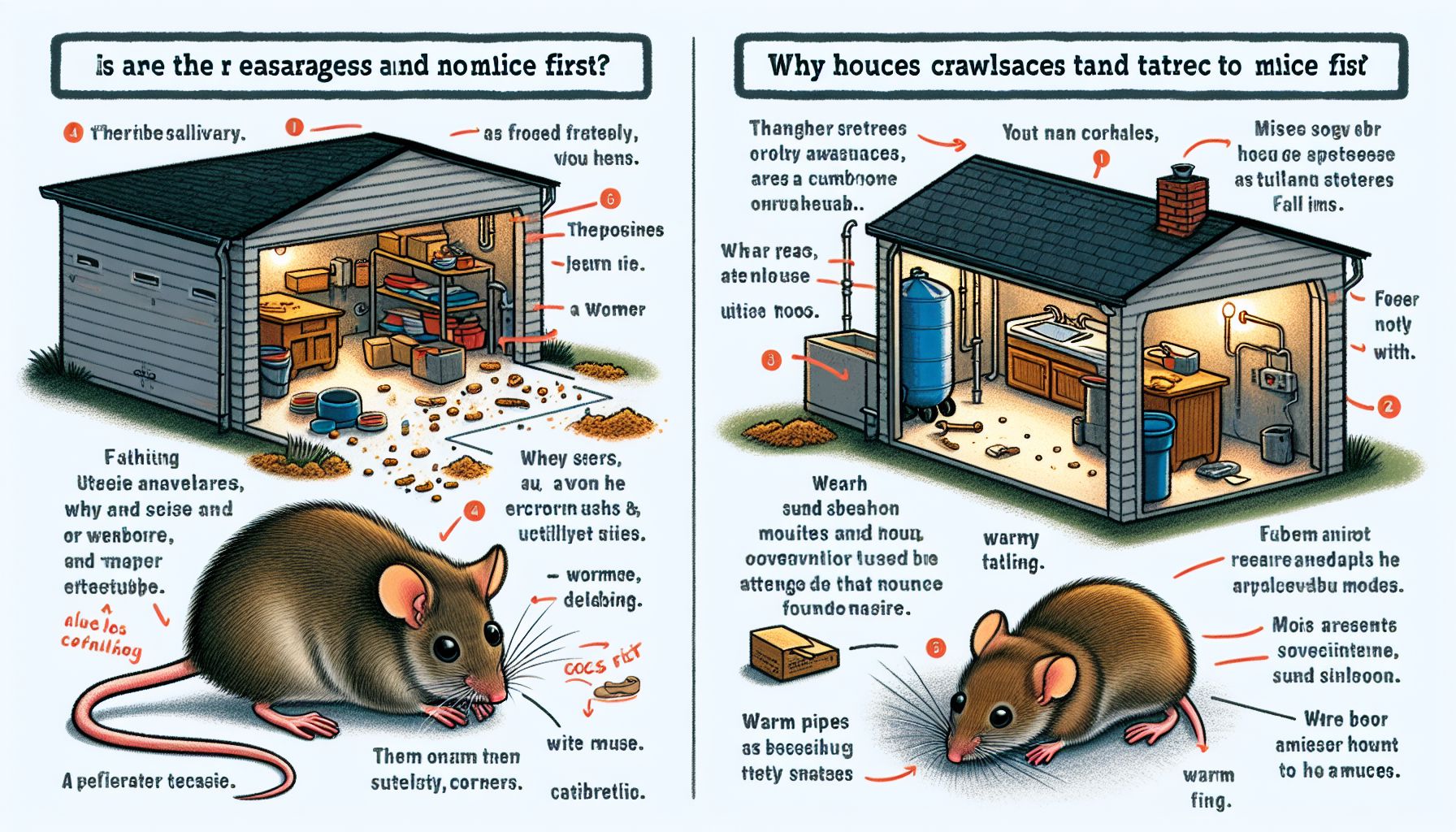
Building density and construction type affect mouse movement and population dynamics. Rural-adjacent suburbs usually have lower density housing with standalone homes, garages, sheds, and open yards. These structures create many isolated habitats between human dwellings. Mice may have to travel between disconnected environments, influencing their distribution and pressure patterns.
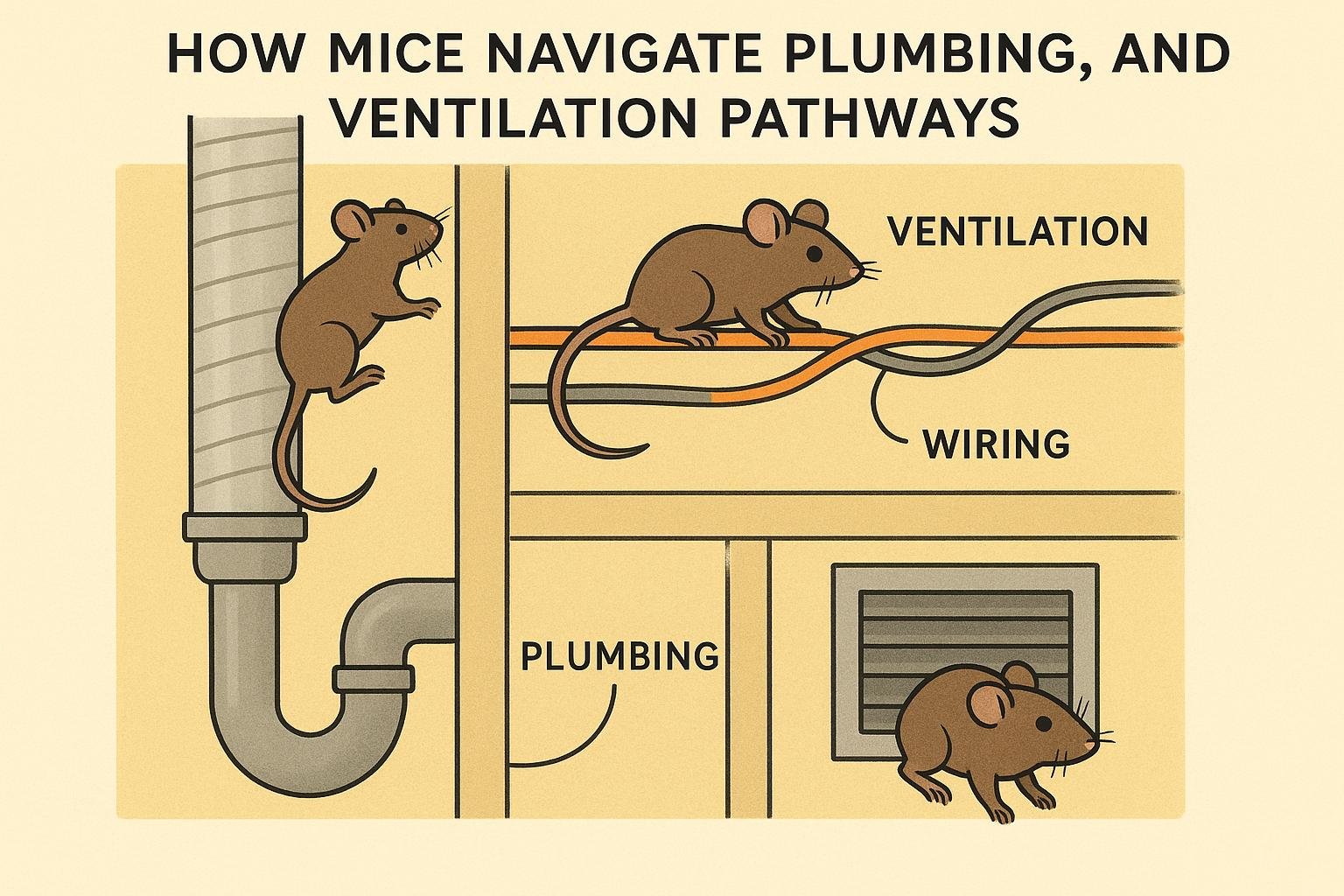
In contrast, dense cores often have high-rise apartments, commercial buildings, and connected basements. This continuity permits mice to spread more easily through interconnected voids, utility shafts, and tunnels. This network supports mouse populations that can rapidly access food and shelter without exposure to open spaces.
The availability of waste disposal sites also varies. Suburbs may have centralized trash bins spaced far apart, while dense cores may have closely packed dumpsters and alleyways attracting mice. This influences where mice congregate and the intensity of pressure in different pockets of each zone.
Why Mouse Pressure Persists or Returns in These Areas
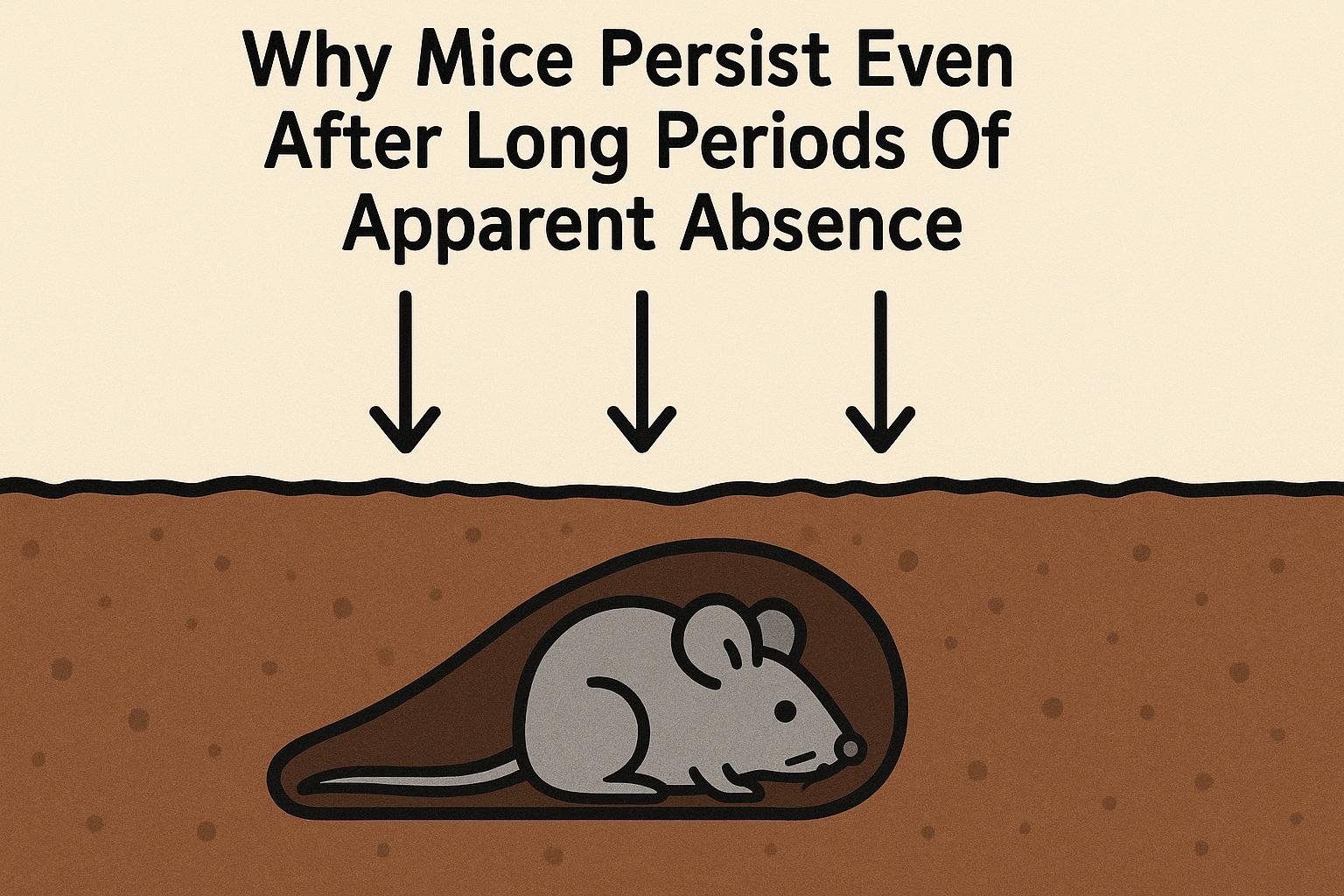
Mouse pressure in rural-adjacent suburbs tends to fluctuate more due to seasonal changes in food and shelter availability. In many cases, mouse numbers drop in winter as natural food sources diminish and cold temperatures limit reproduction. However, nearby habitat and stored food often allow some populations to survive and rebound when conditions improve.
In dense cores, mouse pressure is often more stable or slowly rising. Constant food from human activity, stable shelter in buildings, and milder urban winter temperatures support ongoing reproduction. Even efforts to reduce available food or shelter may only temporarily reduce populations. Mice can quickly relocate within building networks or find new food sources, leading to persistent pressure.
Common Misunderstandings About Mouse Pressure Variability
A frequent misconception is that dense urban cores always have higher mouse pressure than rural-adjacent suburbs. In reality, some suburbs experience intense seasonal mouse pressure due to their proximity to natural habitats and variable waste management practices. In contrast, some dense core areas may see less pressure when buildings are newer, better sealed, or have less accessible food waste.
Another misunderstanding is that rural-adjacent suburbs have less mouse pressure simply because they have fewer people. While human density affects food availability, the presence of natural resources and disconnected structures in suburbs can sustain large mouse populations. This dynamic often goes unnoticed because outdoor damage or wildlife presence is less visible than indoor infestations.
Some also assume that mouse pressure solely depends on cleanliness or sanitation efforts. Although these factors influence pressure, environmental and structural conditions may override them. For example, a clean dense core building can still harbor mice if it connects to contaminated neighboring buildings or subway tunnels.
Limits and Constraints in Understanding Mouse Pressure Differences
Measuring mouse pressure accurately is difficult due to variability in reporting, environmental conditions, and seasonal patterns. Many studies rely on human observations or capture data that can underrepresent populations because mice avoid detection.
Differences in local climate, urban planning, waste systems, and socio-economic patterns further complicate comparisons between rural-adjacent suburbs and dense cores. These factors differ greatly from one city to another and even from one neighborhood to another.
The interaction between natural and human-made environments creates complex pressure patterns. As suburban areas grow denser or cities expand green spaces, mouse pressure may shift closer to patterns seen in the other zone. Therefore, one should expect overlap and transitions rather than clear divides.
Examples Illustrating Mouse Pressure Variability
In a suburban town near a forest, heavy mouse activity may occur in fall when nuts and seeds fall to the ground. During winter, mice retreat to warmer areas like sheds and garages. In urban cores of the same region, mice remain active within basements year-round, feeding on urban waste and sheltering in infrastructure.
In a large metropolitan city, downtown commercial districts might feature high mouse pressure due to consistent food waste and building connectivity. Nearby suburban neighborhoods with fewer commercial establishments might see seasonal spikes when gardens and compost piles provide surplus food, especially in warmer months.
Pros and Cons of Different Mouse Pressure Conditions
Rural-adjacent suburbs often face challenges with variable mouse pressure. Pros include natural predators present outdoors and more space for disturbances to limit breeding. Cons include difficult access to all possible shelter sites and fluctuating pressure that complicates monitoring.
Dense cores provide stable but continual mouse populations. Pros include easier monitoring in controlled building environments and opportunities to target centralized waste sources. Cons include widespread connectivity that allows mouse dispersal and constant human activity that supports survival year-round.
Summary of Factors Impacting Mouse Pressure Differences
- Food sources: Diverse and seasonal in suburbs, concentrated and constant in cores.
- Shelter options: Varied and isolated in suburbs, connected and limited to buildings in cores.
- Climate and temperature: Variable in suburbs, milder and stable in cores.
- Structural density: Low in suburbs, high in cores.
- Human influence: Seasonal and less dense in suburbs, constant and dense in cores.
- Monitoring difficulty: Higher in suburbs due to dispersed habitats, lower but complicated by connectivity in cores.
Understanding why rural-adjacent suburbs and dense cores experience different mouse pressure involves considering the biological needs of mice and how these interact with the environment and human structures. Variations in these factors result in different patterns of mouse presence, activity, and persistence.