Defining The Problem
Mice often seek shelter indoors during cold weather. Their movement patterns outside change with environmental conditions. Snow cover and ground frost influence how mice navigate their surroundings and, in many cases, cause them to enter buildings. Understanding this redirection requires examining how snow and frost affect mouse behavior and movement.
How Snow Cover Influences Mouse Movement
Snow cover acts as a physical barrier on the ground. When fresh snow blankets an area, it can block usual mouse pathways. Mice tend to avoid crossing deep or loose snow because it slows their movement and increases exposure to predators. In many cases, mice travel beneath the snowpack where tunnels and runways exist. However, heavy snow or unstable snowpack may limit these underground paths.
The presence of snow also affects food availability. Snow cover hides seeds, plants, and insects that mice typically forage. Reduced access to outdoor food sources often pushes mice to explore alternative shelters and food locations. This often includes human structures where warmth and stored food are present.
Effects of Ground Frost on Mouse Behavior
Ground frost occurs when soil temperature drops below freezing, hardening the upper soil layers. Frozen ground can close off burrows and tunnels in the soil. Mice rely on these underground networks for shelter and safe travel routes. When frost seals these tunnels, mice may find it difficult to move safely or access existing nests.
As a result, mice often need to find new paths or relocate. The barrier created by frost sometimes redirects mice to urban areas or buildings. Inside these structures, mice find more consistent temperatures and less physical obstruction.
Interaction Between Snow Cover and Ground Frost
Snow cover and ground frost often occur together during cold seasons. Their combined effect alters mouse movement more strongly than either condition alone. Snow can insulate the ground, slowing the freezing process and sometimes allowing tunnels below to remain usable. However, as snow melts or compacts, ground frost may develop underneath.
When snow melts or packs down, exposed frosted ground appears. Mice may initially move beneath snow but shift to overground travel when tunnels freeze or collapse. These changes increase the risk of predators and energy expenditure for mice, influencing them to seek indoor refuges.
Why Mouse Movement Often Redirects Indoors
Several environmental factors contribute to mouse redirection indoors. Snow cover restricts outdoor travel routes and food availability. Ground frost seals burrows and underground paths. The combination limits safe, efficient movement.
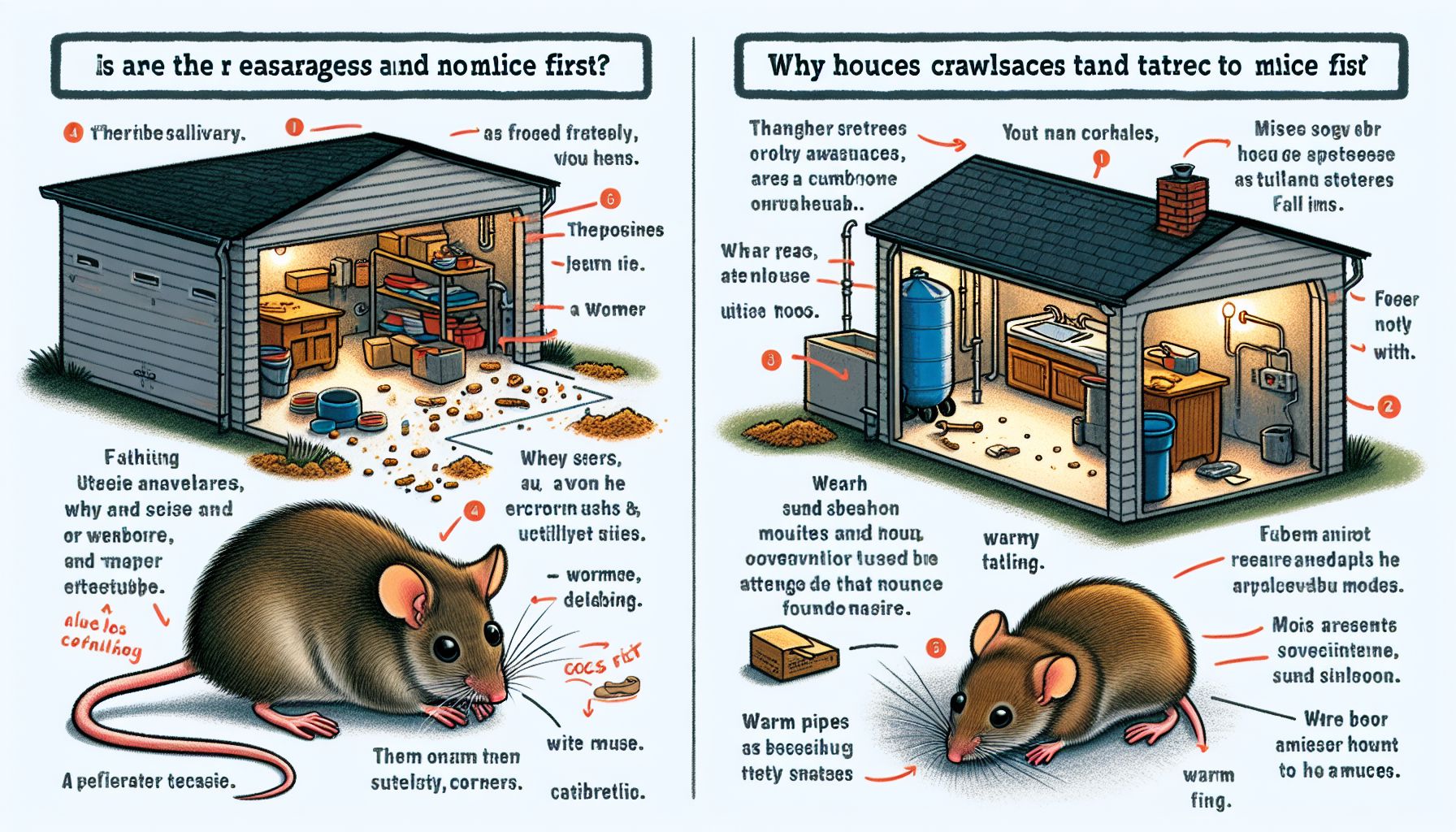
Indoor environments typically offer better temperature stability and accessible resources. Buildings provide warmth and protection from surface weather. Mice often enter basements, crawl spaces, or walls to avoid harsh outdoor conditions. The altered outdoor environment caused by snow and frost hence encourages this behavior.
Variability in Mouse Response
Mouse species, local climate, and landscape features influence how snow and frost impact movement. Some species adapt better to frozen environments and snow cover. Others may tolerate cold but rely heavily on underground tunnels, making ground frost more disruptive.
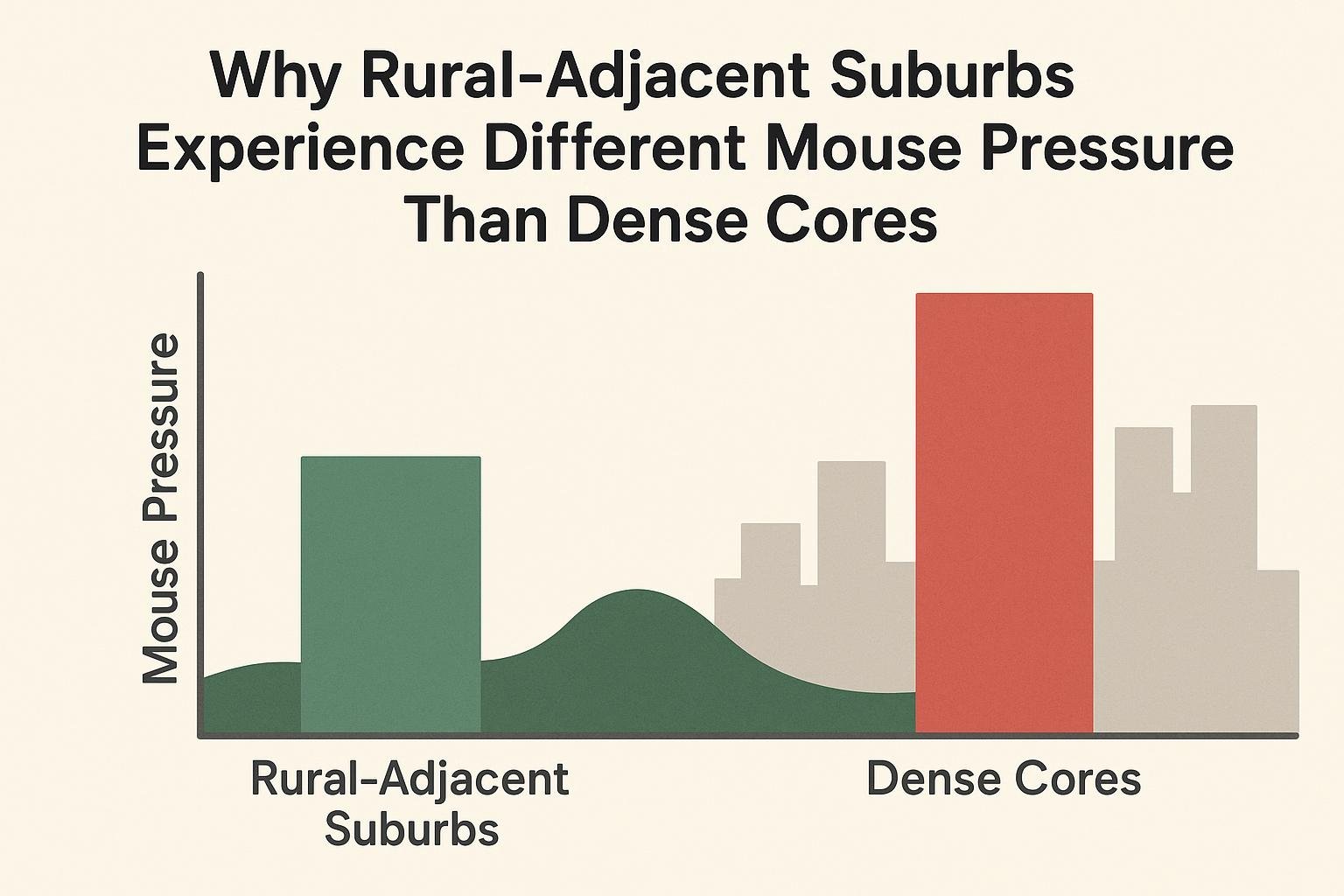
Geographic variation matters as well. Areas with consistent snowpack but minimal frost produce different impacts than regions with fluctuating freeze-thaw cycles. Urban and rural settings also differ. Urban areas often have more resources indoors, increasing mouse indoor activity in winter.
Common Misunderstandings About Mouse Winter Movement
One misunderstanding is that mice only invade indoors due to food shortages. While reduced food outside plays a role, physical barriers and shelter needs often drive indoor entry more strongly. Another assumption is that mice easily travel in snow or freeze tunnels. Evidence suggests they avoid crossing deep snow or frozen burrows if possible.
It is also assumed that all mice behave the same during winter. In reality, various species and populations exhibit different tolerances to snow and frost. Some remain active outdoors longer or use snow tunnels, while others move indoors quickly.
Persistence and Return of Indoor Mouse Movement
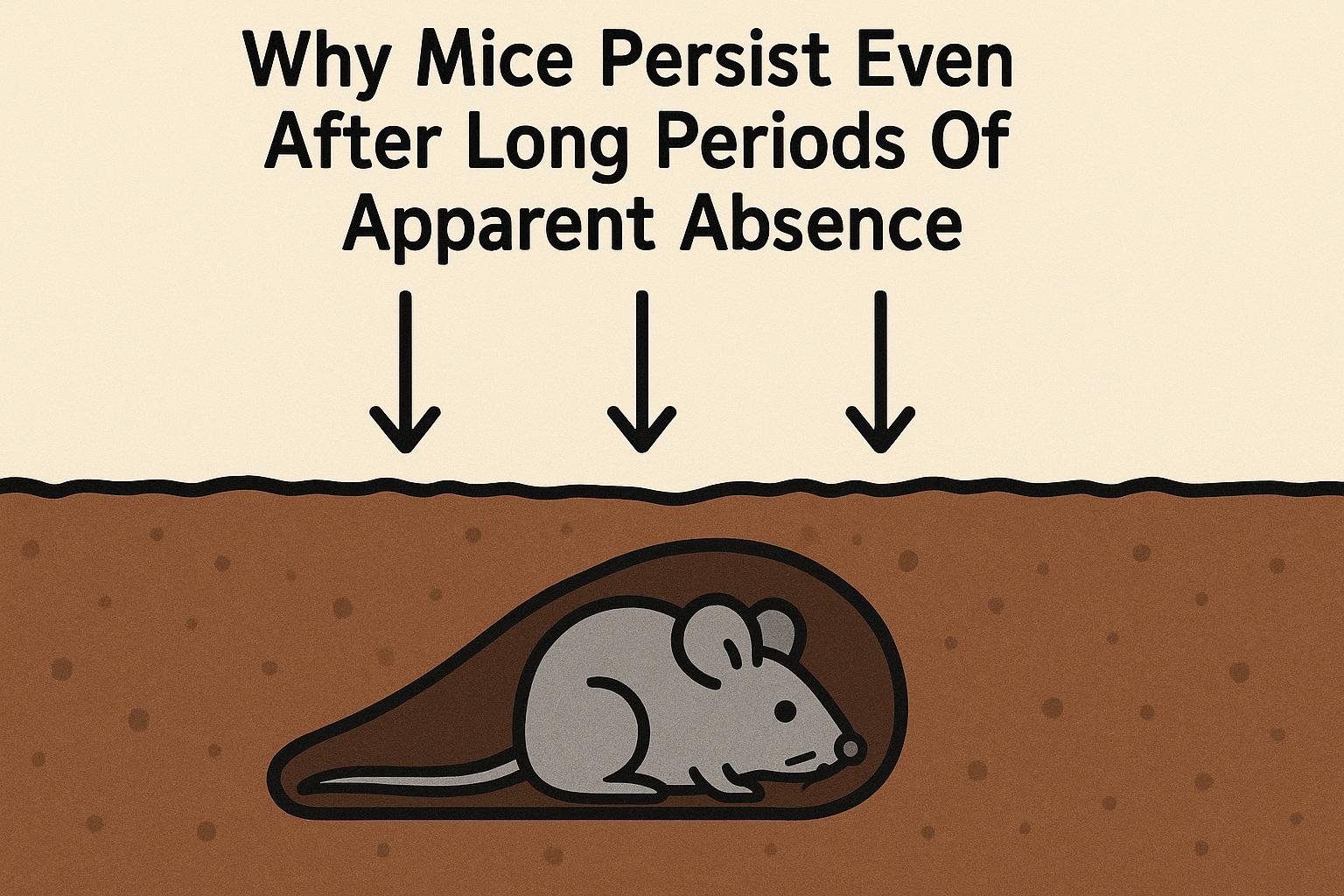
Because winter conditions fluctuate, mice may repeatedly move indoors and back outside. Snow melts and ground thaws temporarily restore outdoor tunnels and food access. When conditions worsen, mice return indoors. This back-and-forth movement is common in many areas with seasonal winter changes.
The persistence of indoor mouse presence depends on the consistency of snow cover and frost and the availability of indoor shelter and food. Some buildings maintain mouse presence throughout winter, while others experience only temporary visits.
Limits and Constraints in Understanding Movement Patterns
Studying mouse movement during winter faces constraints. Variation in local weather, species, and environment complicates universal conclusions. Observations often rely on indirect signs like tracks or nest sites, which may not capture full behavior. Snow and frost conditions change rapidly, adding unpredictability.
Ground frost depth and snowpack thickness vary widely within small areas, leading to different impacts even nearby. Human-made structures also differ in how accessible and inviting they are to mice.
Summary of Failure Modes and Misinterpretations
Efforts to predict mouse indoor movement must consider that no single factor fully explains behavior. Assuming only food drives mice indoors ignores physical barriers of snow and frost. Believing mice easily traverse snow or frozen ground overlooks energy and predation risks.
Failing to recognize species differences and environmental variability leads to inaccurate generalizations. Movement patterns are situational and fluid, influenced by weather cycles and landscape features.
Examples of Mouse Movement Changes During Winter
In rural farmland, heavy snow can cover crop fields, forcing mice to concentrate around buildings with grain stores. Ground frost can collapse existing burrow systems beneath fields, causing mice to increase overground surface travel or move indoors.
In urban areas, snow cover often blocks ground-level access beneath leaf litter or mulch, commonly used by mice for movement. Frost in city soils can restrict small tunnels in gardens or parks. These conditions frequently result in more mouse sightings inside homes, especially in basements and wall cavities.
Pros and Cons of Mouse Movement Redirection
Pros
- Mice find warmer shelter and protection from harsh weather.
- Indoor environments provide stable food sources.
- Snow cover can protect small mice moving beneath it from predators.
Cons
- Increased risk of conflict with humans.
- Higher exposure to indoor hazards like pets or traps.
- Energy costs of finding new shelter or traveling over snow and frozen ground.
Related Factors Influencing Movement
Other factors affect winter mouse movement alongside snow cover and frost. Day length reduction and temperature drops cause behavioral changes. Snow density, ice layers, and freeze-thaw cycles further modify terrain navigability.
Vegetation cover and soil type alter how frost develops and persists. Human activity, such as clearing snow or piling outdoor materials, influences available pathways.
This article explains how snow cover and ground frost shift mouse movement, often resulting in increased indoor activity. The interplay of physical barriers, shelter needs, and environmental conditions drives this behavior. Variability and complexity mean outcomes differ by location, species, and weather patterns, making predictions uncertain and context-dependent.