Defining the Problem: Mice Disappear but Return
Mice often seem to vanish from a space for days, weeks, or even months, only to reappear later. This pattern can confuse observers who expect a continuous presence or a permanent disappearance. Understanding why mice persist after apparent absence requires looking at their biology, behavior, and environmental factors. The situation does not follow a simple, linear outcome; instead, it involves cycles of activity influenced by multiple variables.
Why Mice Appear to Disappear
Mice do not remain visible at all times. They are typically nocturnal or crepuscular, meaning they move most during night or low-light conditions. This behavior alone can create the impression of absence during the day. Additionally, mice may retreat to hidden nests or burrows for extended periods. In many cases, these locations lie within walls, under floors, or inside cluttered storage areas where human observation is limited. Therefore, apparent absence might result from normal mouse hiding and rest patterns rather than a true disappearance.
Environmental conditions also affect mouse activity. Changes in temperature, availability of food, humidity, or disturbance may cause mice to reduce visible movement temporarily. For example, mice might stay inside protected areas during cold or wet periods, emerging only when conditions improve. Consequently, a lack of visible signs does not guarantee the removal of mice from a location.
Biological Factors Supporting Persistence
Mice reproduce quickly and adapt well to different environments. A single female mouse can produce multiple litters per year, each with several offspring. This rapid reproduction allows mouse populations to rebound quickly after reduction events, such as natural predation or human intervention. In many cases, mice may retreat temporarily, then increase in number from survivors or young returning from nearby areas.
The lifespan of a mouse in the wild or semi-wild environments usually ranges from several months to over a year. This duration allows populations to sustain themselves quietly over long periods. Even when few signs exist, a stable population can persist in small, concealed clusters.
Mice are also skilled at finding and using shelter. They can squeeze through gaps as small as a dime, making it difficult to isolate or fully exclude them from buildings. This physical adaptability supports their long-term presence even when human observers believe entry points have been closed.
Environmental and Structural Factors
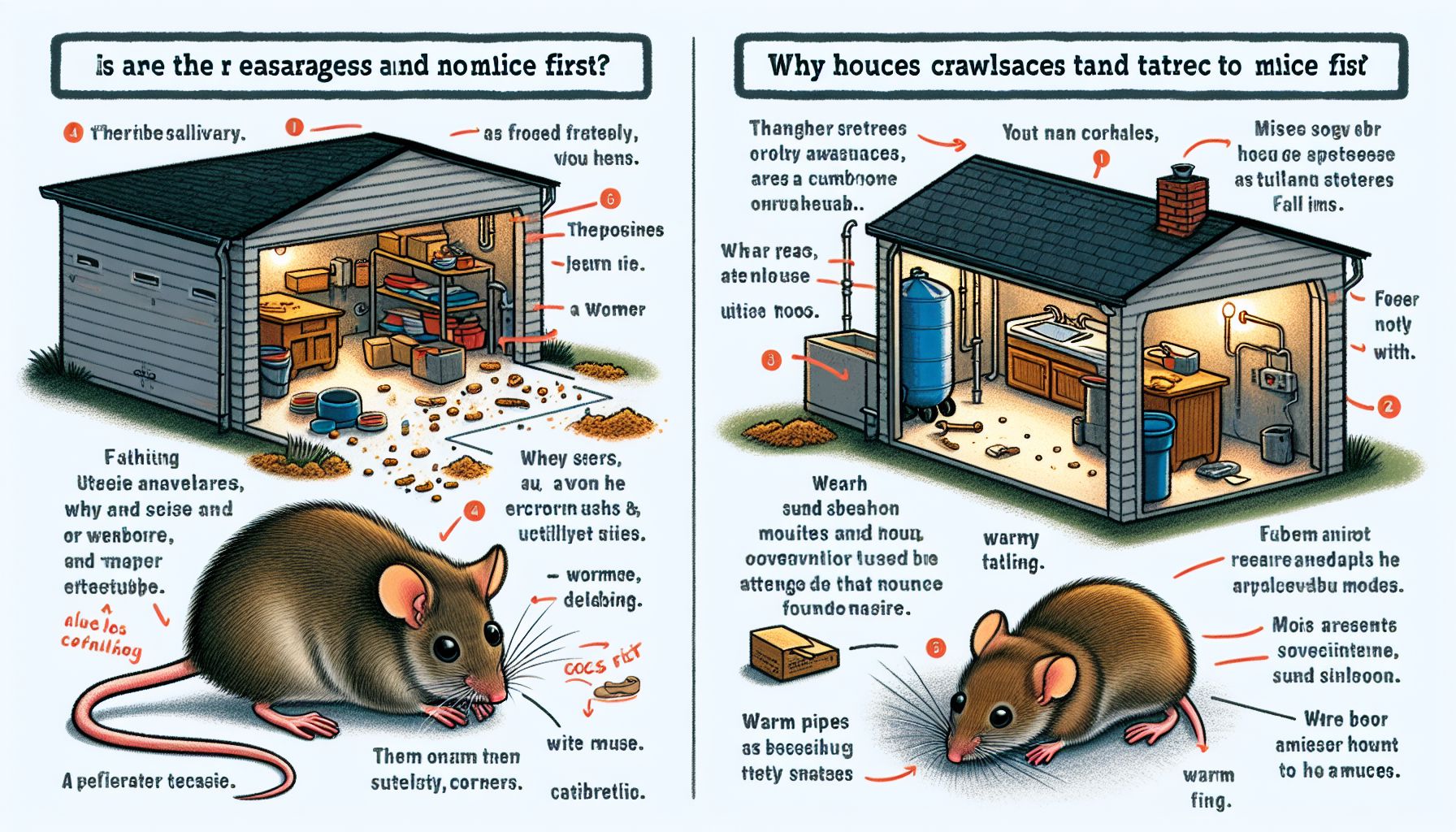
The structure of a building or surrounding environment influences whether mice remain over time. Old buildings with cracks, holes, or hidden voids often provide ideal habitats. These spaces offer protection from predators and harsh weather. Additionally, areas with consistent food sources, such as kitchens, garages, or storage rooms, support mouse persistence.
Mice can travel considerable distances from a nest in search of food or new shelter. Depending on available resources, they might shift locations within the same building or move between neighboring structures. This mobility can create a pattern of apparent absence in one section while present in another.
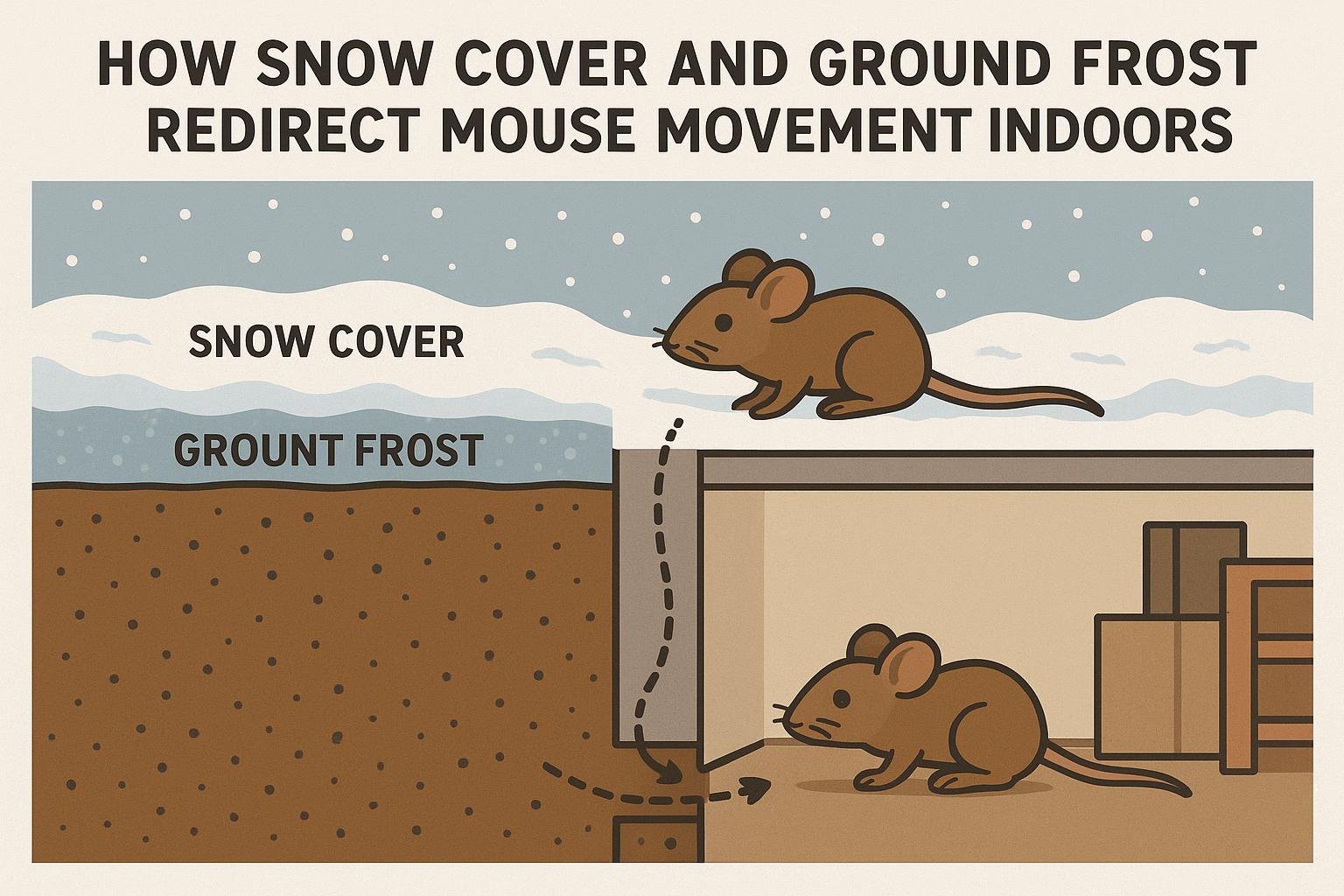
Seasonal changes often affect mouse presence indoors. During colder months, mice tend to move indoors for warmth and food, increasing visibility. In warmer months, they may retreat outdoors or to less obvious spaces, reducing sightings. These shifts contribute to cycles of presence and absence.
Why Attempts to Remove Mice May Appear to Fail
Common expectations assume that if a space appears free of mice for some time, they are gone permanently. In many cases, this assumption misses critical factors. First, visible signs like droppings, gnaw marks, or nesting material may remain long after mice have temporarily retreated, which can cause confusion about current activity.
Second, efforts that focus on areas with clear activity may overlook hidden nests or travel routes, allowing mice to survive undetected. The complex structure of buildings can hide populations in concealed spaces for significant periods.
Third, mice from neighboring areas may move into vacated spaces once competition or disturbance decreases. This movement is natural and reflects ecological dynamics of colonization and territorial behavior. Therefore, apparent absence might represent migration or temporary retreat rather than true elimination.
Common Misunderstandings about Mouse Absence and Persistence
One frequent misunderstanding is assuming that a lack of sightings means absence. Mice are small, primarily nocturnal, and secretive. They use hidden pathways and obscure nesting sites, making direct observation challenging. This secretiveness means that presence is often underestimated.
Another misconception concerns the durability of signs such as droppings or chewed materials. These signs may last for weeks or months, leading to confusion about current mouse activity. Absence of fresh signs is a more reliable but still imperfect indicator.
People often expect immediate and permanent removal of mice following intervention. However, because mouse populations reproduce quickly and can find new entrances, removal efforts might temporarily reduce activity without permanently preventing return.
Some assume that closing one or two entry points is sufficient. In reality, mice exploit many small gaps, and buildings often have multiple hidden access routes. Closing or blocking entry points incompletely can inadvertently shift mouse movement rather than stopping it entirely.
Limits and Constraints in Understanding Mouse Persistence
No single factor explains why mice persist after long absences. The interaction between biological traits, environmental conditions, and structural factors creates variability in outcomes. Each building or habitat differs, and the behavior of mouse populations reflects these differences.
Predicting exact mouse activity patterns remains difficult. Seasonal changes, food availability, population pressures, and human disturbance all contribute to fluctuations. This uncertainty means that apparent absence should be interpreted cautiously.
Some methods to detect mice have limits in sensitivity and accuracy, which can result in false impressions of absence. Without continuous monitoring or invasive searching, some mouse presence will remain undetected.
Finally, limitations in understanding mouse movements outside buildings restrict knowledge of recolonization sources or migration paths. Surrounding habitats might supply new mice sporadically, contributing to return despite local absence.
Examples to Illustrate Persistence
A warehouse may be free of visible mice for months during warm seasons but see increased activity in winter when mice seek warmth and food indoors. The population might have remained hidden in wall voids previously.
In a residential home, mice may disappear after renovation or cleaning but return months later. This return can happen if nests outside the cleaned area survived or if new mice entered through gaps unnoticed during maintenance.
In agricultural settings, mice living in grain stores sometimes retreat after harvest but return with stored grain the next season. This pattern reflects seasonal availability of food resources closely tied to mouse activity cycles.
Trade-offs in Interpreting Mouse Absence
Because mice adapt to variable conditions, a trade-off exists between human detection efforts and actual mouse presence. High levels of vigilance might reduce visible signs temporarily but not fully eliminate the population.
Resource distribution affects mouse movement; in low-food conditions, mice may reduce activity or move more extensively seeking resources, complicating detection. Conversely, abundant food may concentrate mice in visible places.
Mouse populations face natural controls such as predators and disease but these controls fluctuate unpredictably, making their effect on persistence uncertain.
Summary of Key Concepts (Without Drawing Conclusions)
Mice persist after long periods of apparent absence due to their nocturnal and secretive behavior, rapid reproduction, adaptability in shelter use, and mobility. Environmental and structural factors influence visibility and movement. Human observation and monitoring have inherent limits. Common assumptions about absence and presence often mislead due to the complexity of mouse ecology and behavior. Variability in factors like seasons, food availability, and building conditions result in fluctuating patterns of mouse presence