Defining Repeated Baiting
Repeated baiting refers to the ongoing use of bait as a method to reduce or manage pest populations. It often involves placing baited substances at intervals over time to attract and eliminate pests such as rodents, insects, or other unwanted animals. The goal is typically to lower the number of pests present in a given area.
This method focuses on drawing pests to a targeted area where they consume the bait, which usually contains toxic or deterrent elements. Over time, users expect the pest population to decline progressively due to these repeated exposures.
Why Pests Persist Despite Baiting
Repeated baiting does not guarantee long-term reduction of pests for several reasons related to biological, environmental, and behavioral factors.
Pest Reproduction and Population Dynamics
Most pest species reproduce rapidly. In many cases, the rate of reproduction can outpace the removal of individuals through baiting. Even if baiting kills a portion of the population, new pests can be born or migrate into the area, replenishing the numbers. This dynamic often results in a temporary dip in pest numbers followed by a rebound.
The effectiveness of baiting depends on the timing relative to breeding cycles. When baiting does not coincide closely with these cycles, it may not remove enough breeding individuals to impact the population clearly.
Behavioral Adaptations and Avoidance
Pests sometimes develop behaviors that reduce their likelihood of consuming bait. This can include bait shyness where some individuals avoid the bait after negative experiences, or cautious feeding where pests sample small amounts and reject it if unpalatable.
Repeated use of the same bait can encourage learning in pest populations, causing them to avoid bait stations or consume less bait over time. This behavioral adaptation diminishes the effect of continued baiting efforts.
Environmental Factors Influencing Bait Availability
Environmental conditions affect bait efficacy and accessibility. Weather can degrade bait materials or cause them to spoil, making them less attractive. Competing food sources in the environment can divert pest attention away from bait.
Also, the distribution of bait may be uneven or insufficient in certain environments, leaving some pests without access. These gaps allow portions of the population to survive and maintain presence despite ongoing baiting.
Common Misunderstandings About Baiting
Several assumptions often lead to overestimating what repeated baiting can achieve.
Assumption of Complete Population Impact
One frequent misunderstanding is that baiting will reach and affect all individuals within a pest population. In reality, some animals never encounter bait due to their territory, foraging habits, or avoidance behaviors. Consequently, the population may shrink but rarely disappears entirely.
Belief That More Baiting Equals Better Results
Increasing the frequency or amount of bait typically aims to accelerate pest removal. However, this approach does not necessarily overcome limitations like bait avoidance or reproduction rates. In some cases, excessive baiting can even create bait aversion or resistance.
Expectation of Consistent Effectiveness Over Time
Pest populations and environments are variable and dynamic. What works initially may lose effectiveness as pests adapt or environmental conditions change. Assuming that repeated baiting maintains its initial impact ignores these natural fluctuations.
Constraints Affecting Long-Term Outcomes
Certain structural and biological factors restrict how much repeated baiting can control pest populations in the long term.
Spatial Movement and Immigration
Pests can move freely across boundaries. Even if baiting reduces local numbers, pests from nearby untreated areas may move in. This immigration replenishes the population and limits long-term reduction.
Resistance Development
Some pests may develop resistance to toxins present in bait over time. Although this process can vary widely depending on the species and toxin, it illustrates a natural constraint on ongoing bait effectiveness.
Resource Availability and Habitat Suitability
The continued presence of shelter, food sources outside of bait, and suitable environmental conditions support pest survival. Baiting targets mortality but does not alter habitat suitability, which can allow populations to sustain or grow.
Illustrative Examples
Rodent Populations in Urban Settings
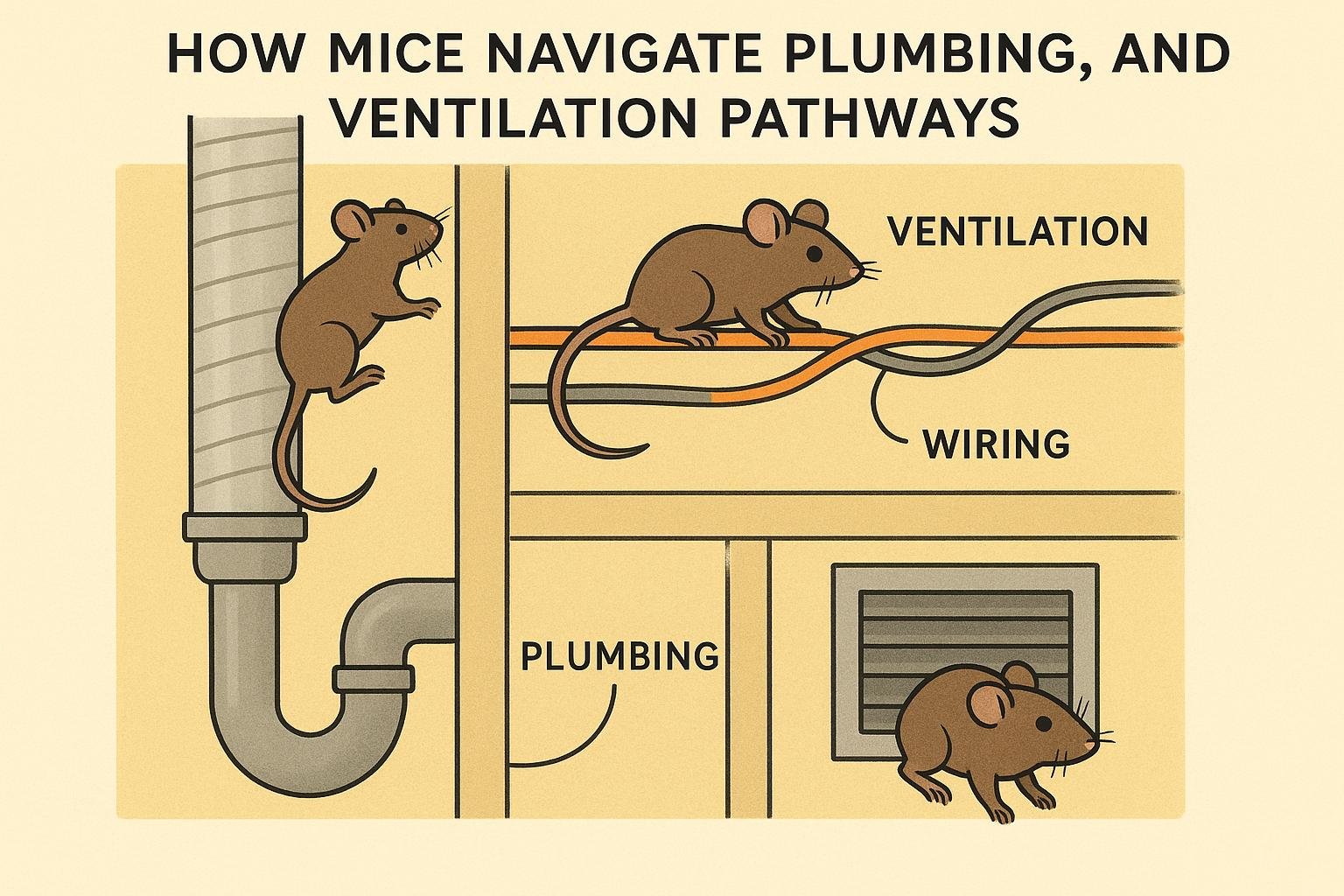
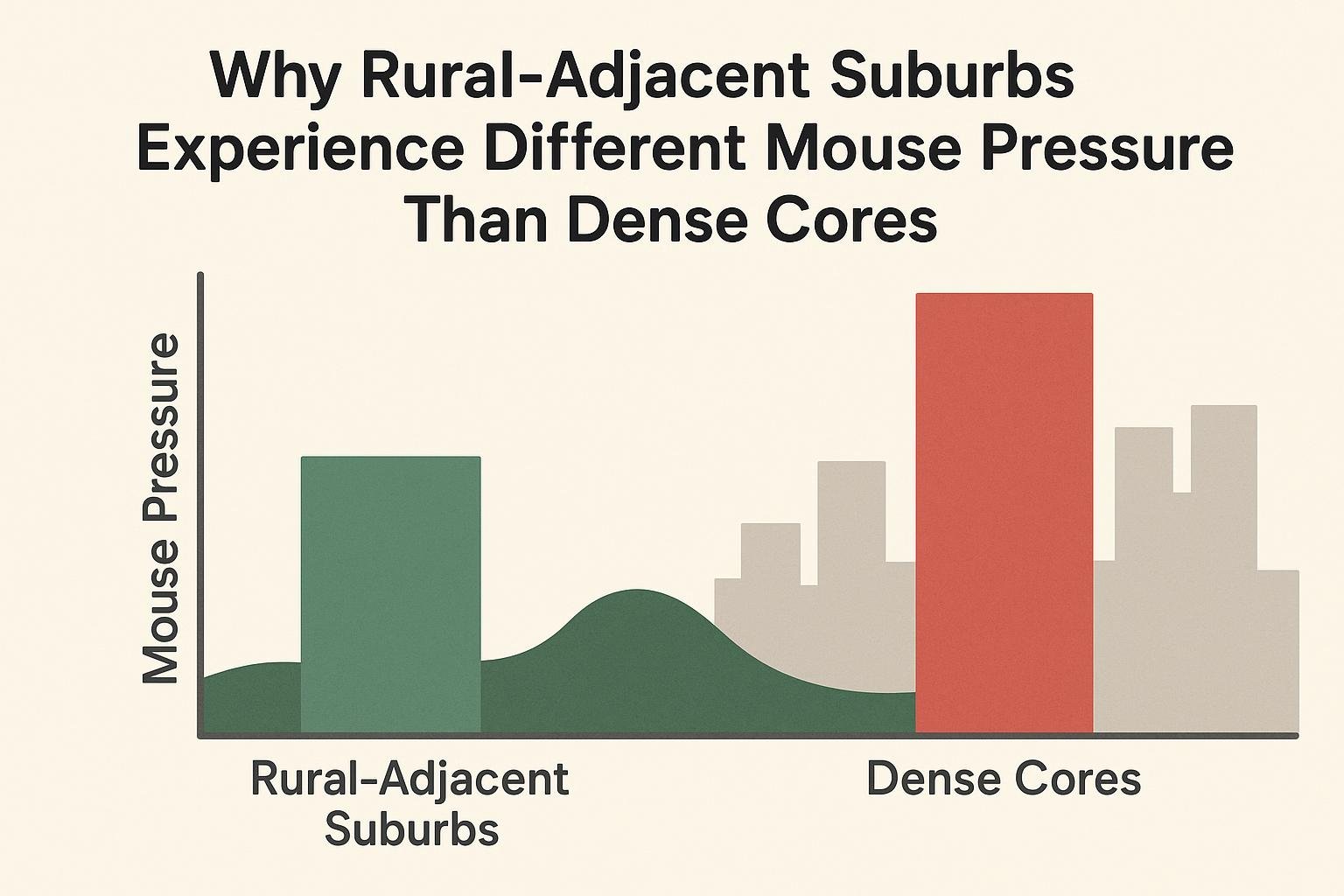
Urban rodent populations often show resilience to repeated baiting. Even with frequent placement of rodenticide baits, rats and mice continue to inhabit areas due to rapid breeding, avoidance behavior, and immigration from nearby locations. Bait shyness may develop if a subpopulation experiences illness from early bait exposure, leading to more cautious feeding.
Ant Infestations Indoors
Indoors, ants can establish large colonies that rebuff repeated baiting. Ants may ignore bait if alternative food sources exist or if the bait does not match their dietary preferences. Additionally, worker ants may collect bait without delivering it effectively to the queen, limiting population impact.
Pros and Cons of Repeated Baiting
Pros
- Can reduce pest numbers temporarily.
- Targets specific pests depending on bait formulation.
- May be less disruptive than broad environmental changes.
Cons
- May fail to reach entire pest population.
- Does not address breeding or immigration.
- Behavioral adaptation reduces long-term effectiveness.
- Environmental factors influence bait success.
- Potential for toxin resistance over time.
Summary Observations
The relationship between repeated baiting and pest control outcomes depends on multiple interacting factors. Biological aspects such as reproduction and behavior, environmental conditions, and spatial dynamics all influence whether repeated baiting leads to sustained population reductions.
Repeated baiting often results in short-term decreases in pest numbers but rarely causes long-term population suppression by itself. Misunderstandings about the method’s reach and effectiveness can cause unrealistic expectations.
Considering these factors clarifies why repeated baiting is a partial component in managing pest presence rather than a standalone method for lasting control.