Understanding Mouse Behavior
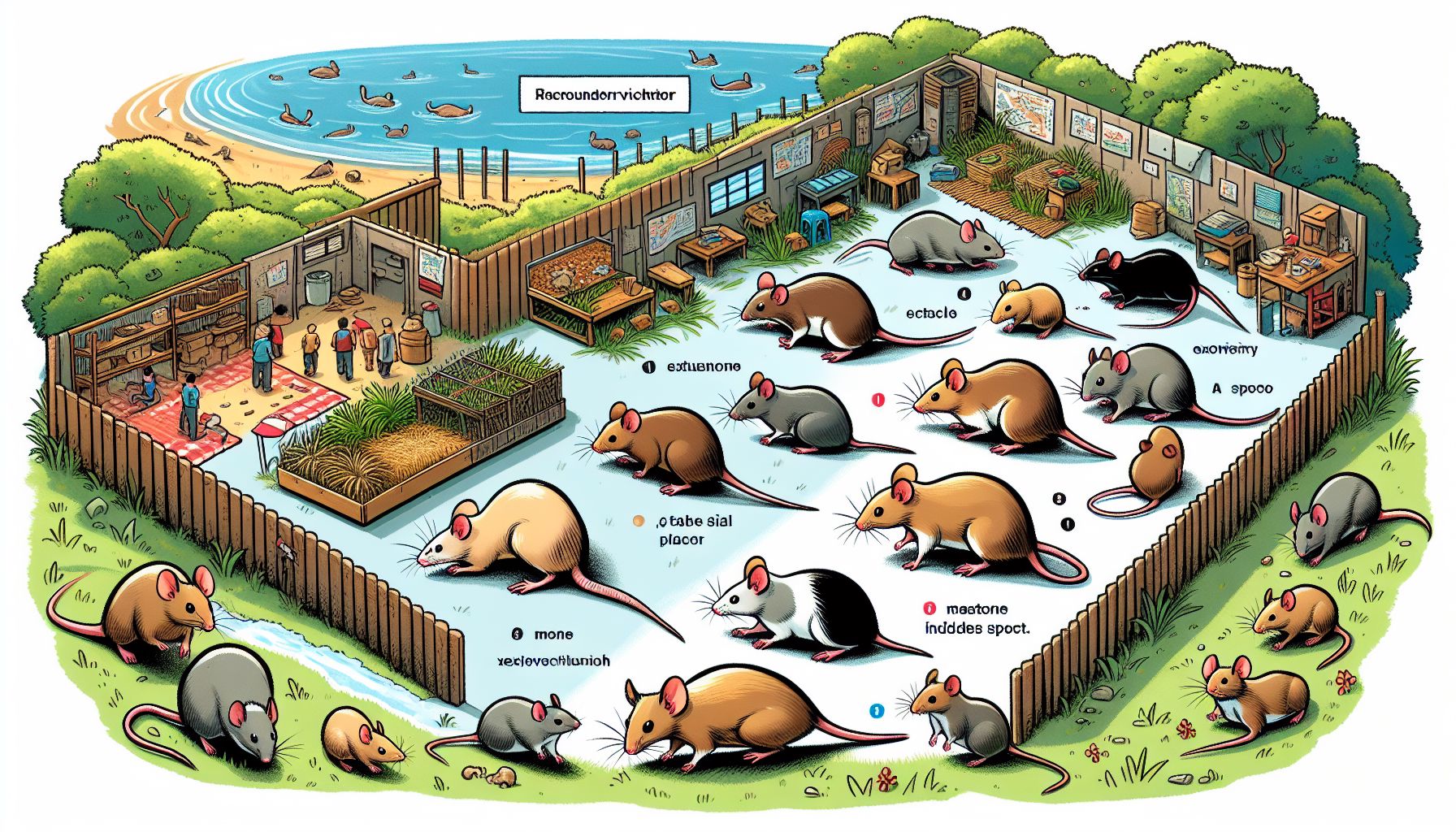
One key factor to a mouse’s return to the same homes year after year is its behavior. Mice are creatures of habit. They follow set paths marked by their scent to find food, water, and shelter. Once a mouse has found a reliable source for these necessities, it may return to this location.
The Role of Shelter and Warmth
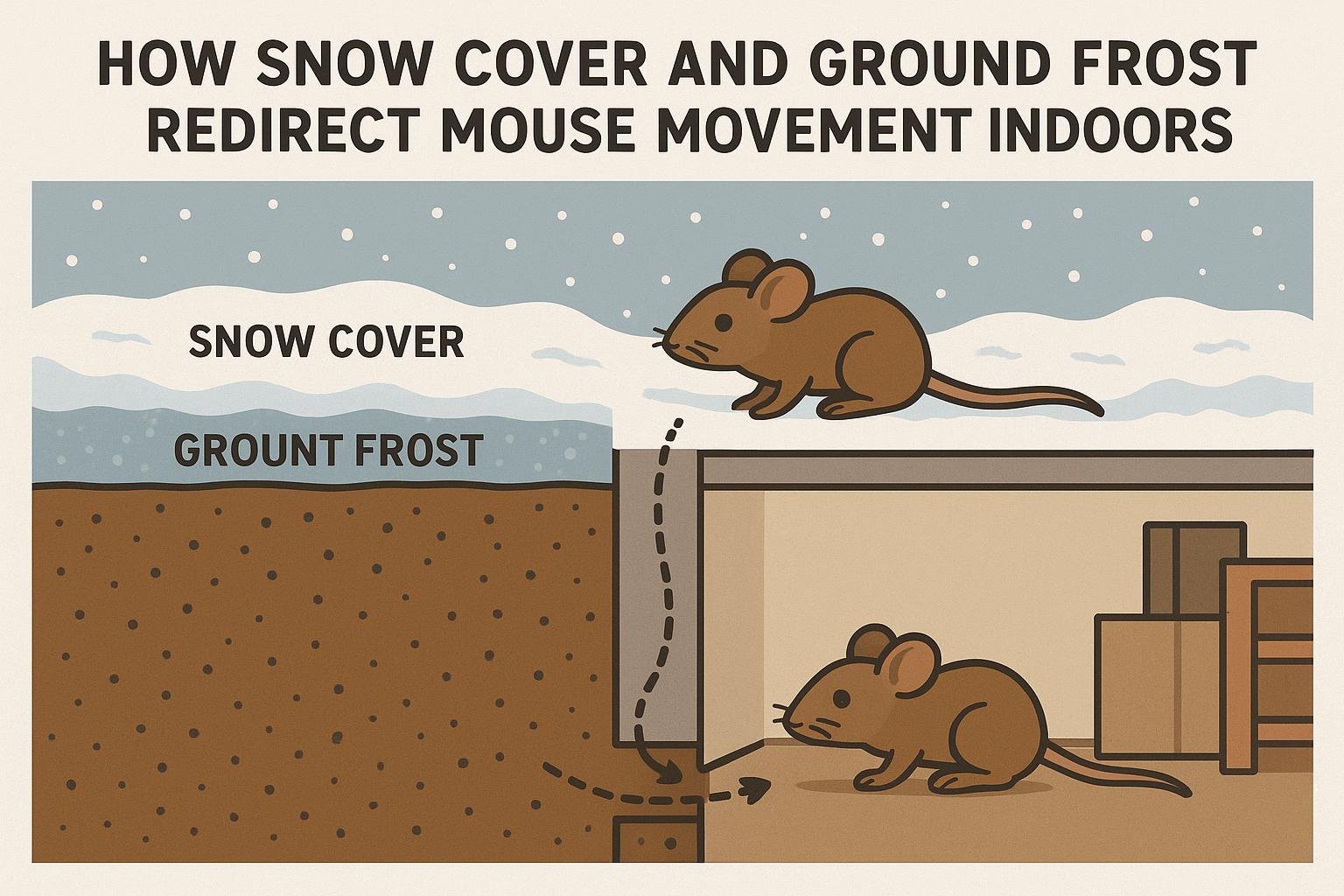
Shelter and warmth play an essential role in why mice return to the same homes each year. Homes offer shelter from predators and harsh environmental conditions. In the winter season, when food sources in the wild decrease and temperatures drop, mice are drawn to the warmth and steady food supply houses can offer.
Available Food Source
In an environment where food is easily accessible, mice are more likely to return. Any forgotten food crumbs, unsealed containers, or uncovered trash bins in homes can attract mice. In this regard, less attentive housekeeping can inadvertently make a home more appealing to mice.
The Importance of Nesting Places
Mice need secure and comfortable nesting places to reproduce. Within houses, hidden and rarely disturbed locations, such as wall interiors, attics, and basements, make ideal nesting grounds for mice. The availability of such spaces often makes homes a popular choice for mice to return to year after year.
Navigational Skills
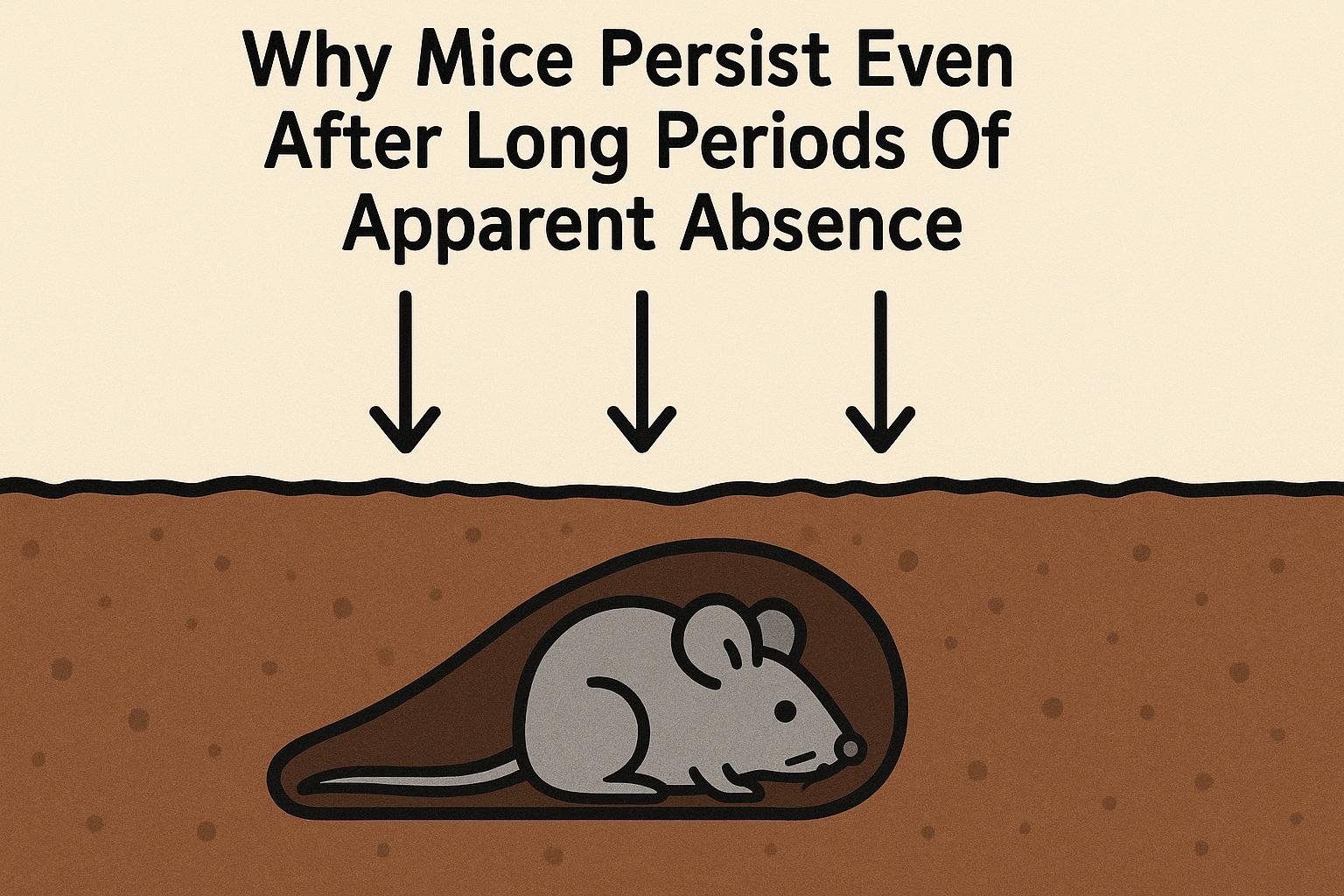
Contrary to popular belief, the superb sense of direction possessed by mice plays a substantial role in their return behavior. Mice have an exceptional memory for locations and can navigate their way back to a place even after extended periods. This ability can frequently lead to them returning to the same homes even after being removed.
Common Misconceptions
There are misconceptions about why mice return to the same homes. One is the belief that mice only infest dirty or unkempt homes. Cleanliness can be a deterrent, but as stated before, it is the availability of food, shelter, and warmth that primarily attracts mice to homes.
Another misconception is that once mice are removed or exterminated, they will not return to the same home. This idea is incorrect because unless the factors that initially attracted the mice are fully addressed, new mice will likely discover the home and take the place of the previous infestation.
Constraints and Limitations
It is pivotal to note that while the factors mentioned affect mouse behavior, they do not define it in its entirety. Mouse behavior can differ due to variations in species, environmental factors, and individual differences among mice. Also, while certain preventive measures can be effective, complete control and eradication of mice are seldom possible due to their rapid reproduction rate, adaptable nature, and remarkable survival skills.
In conclusion, the reasons why mouse activity returns to the same homes year after year are multifaceted, encompassing behavioral traits of the mice and specific characteristics of the homes they choose to inhabit. Understanding these elements can shed light on why our homes face recurring mouse visits and highlight the futility and limits of certain common approaches used in addressing this issue.