Defining the Problem
Renovation work often changes the physical environment of buildings. This process can cause a rise in mouse activity in and around the renovated areas. In many cases, homeowners or occupants notice more mouse presence after construction or remodeling begins. This increase does not necessarily imply poor hygiene or existing infestation before the work. Instead, it often results from the interaction between renovation activities and mouse behavior.
Understanding why renovation can cause new mouse activity requires examining how mice live, how construction alters their surroundings, and how these changes affect mouse movement and nesting patterns.
Why Renovation Work Triggers Mouse Activity
Mice live in defined habitats that provide food, water, and shelter. Renovations disturb these habitats in several ways:
-
Disruption of Existing Nesting Sites:
Renovation often involves tearing down walls, removing insulation, or disturbing crawl spaces. These activities can destroy mouse nests or force mice to seek new shelter indoors or nearby. -
Exposure to New Entry Points:
Construction work can create gaps, cracks, and holes in walls, floors, or foundations. These openings may give mice easier access to building interiors from outside or from previously inaccessible areas. -
Vibrations and Noise Disturbance:
Construction noise and vibrations can cause stress in mice. This stress might make them more active during the day, increasing their visibility. It may also encourage them to relocate within a building or to new areas that seem safer. -
Changing Food and Waste Patterns:
Renovations sometimes affect waste storage and removal routines. Temporary clutter and exposed materials may attract mice by providing new food sources or hiding places. -
Altered Environmental Conditions:
Renovation might change temperature, humidity, and light conditions inside a building. Mice respond to these changes by shifting their activity zones. Areas that become warmer or quieter might attract rodents that had stayed elsewhere.
How Mouse Activity Develops Over Time During Renovation
Mouse activity after renovation starts often follows certain patterns. Initially, disruption causes mice to become more visible as they move to new locations. At this stage, activity might seem intense or erratic.
Over weeks or months, mice may establish new nesting sites in undisturbed areas. This shift depends on several factors:
- The extent of structural changes from renovations.
- Availability of shelter and food in the affected space.
- Season and outdoor conditions that influence rodent behavior.
- The proximity of surrounding rodent populations.
In some cases, mouse activity decreases gradually if the environment stabilizes. In others, persistent openings or habitat suitability may sustain or increase mouse presence for a long time.
Common Misunderstandings About Renovation and Mouse Activity
Several assumptions about renovation and mouse problems often prove inaccurate or incomplete:
-
Assuming Renovation Automatically Clears Mice:
Some people believe that construction destroys all rodents present. However, mice often move quietly to adjacent areas rather than disappearing. Renovation may scatter rather than eliminate them. -
Believing Only Dirty or Poorly Maintained Buildings Attract Mice:
Mouse presence is not solely tied to cleanliness. Even well-kept buildings can see increased rodent activity after renovation due to structural changes, not hygiene failures. -
Expecting Immediate Mouse Entry Without Delay:
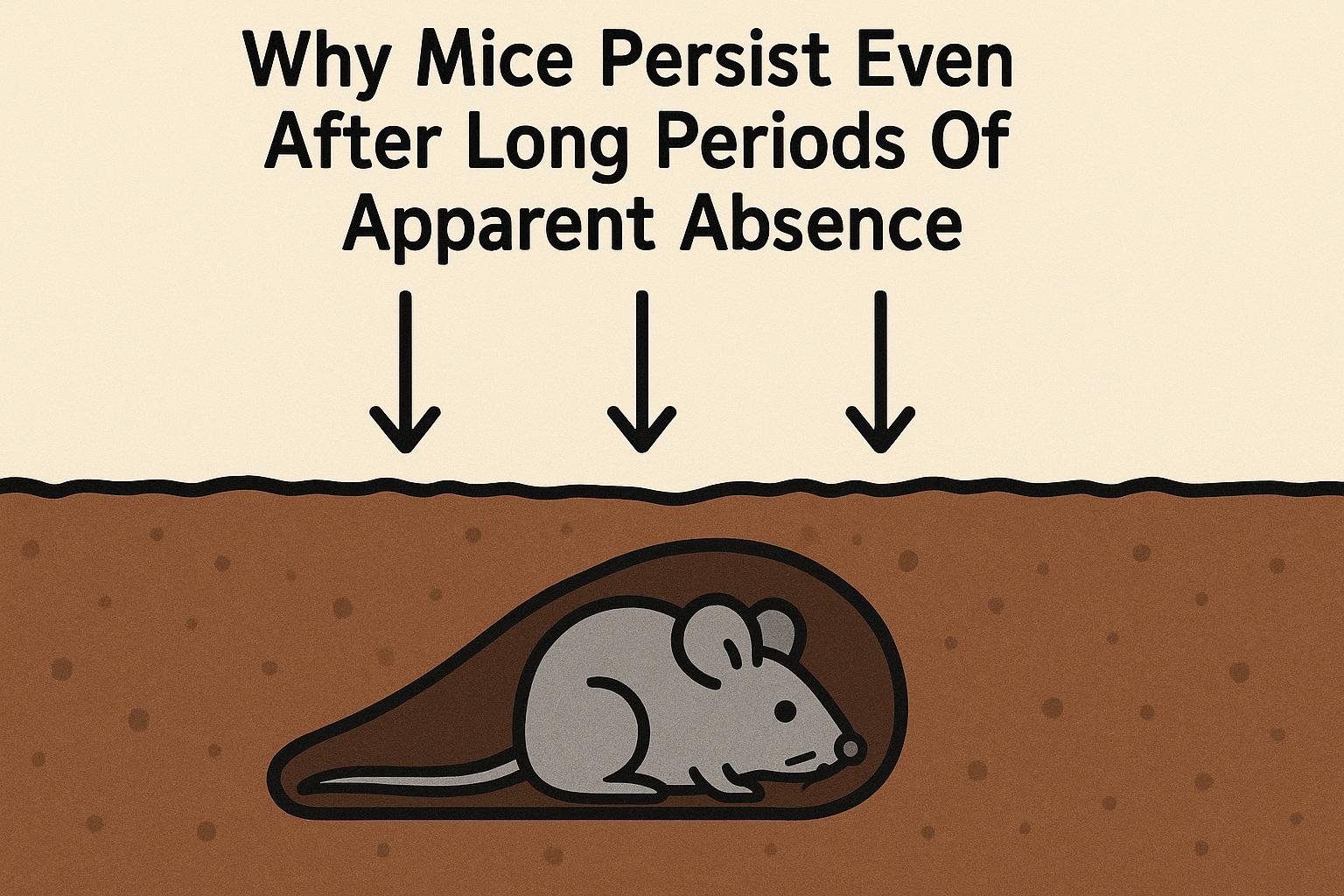
Mouse incursions can begin days, weeks, or even months after renovation work starts. Mice explore new conditions cautiously, so initial absence does not guarantee long-term exclusion. -
Thinking All Structural Gaps Are Obvious:
Small cracks or hidden gaps created or exposed during construction are often overlooked but can become significant mouse entry points.
Why Mouse Activity Often Persists or Returns Post-Renovation
Mice are adaptable and opportunistic animals. After renovation, several factors contribute to persistent or recurring activity:
-
Unsealed Structural Changes:
If openings caused by renovation remain unsealed, they provide ongoing access. This situation often leads to repeated mouse movement. -
Suitable Habitat in or Near Renovated Areas:
When renovation creates or leaves behind materials like insulation, wood scraps, or unused boxes, these provide nesting spots. -
Nearby Mouse Populations:
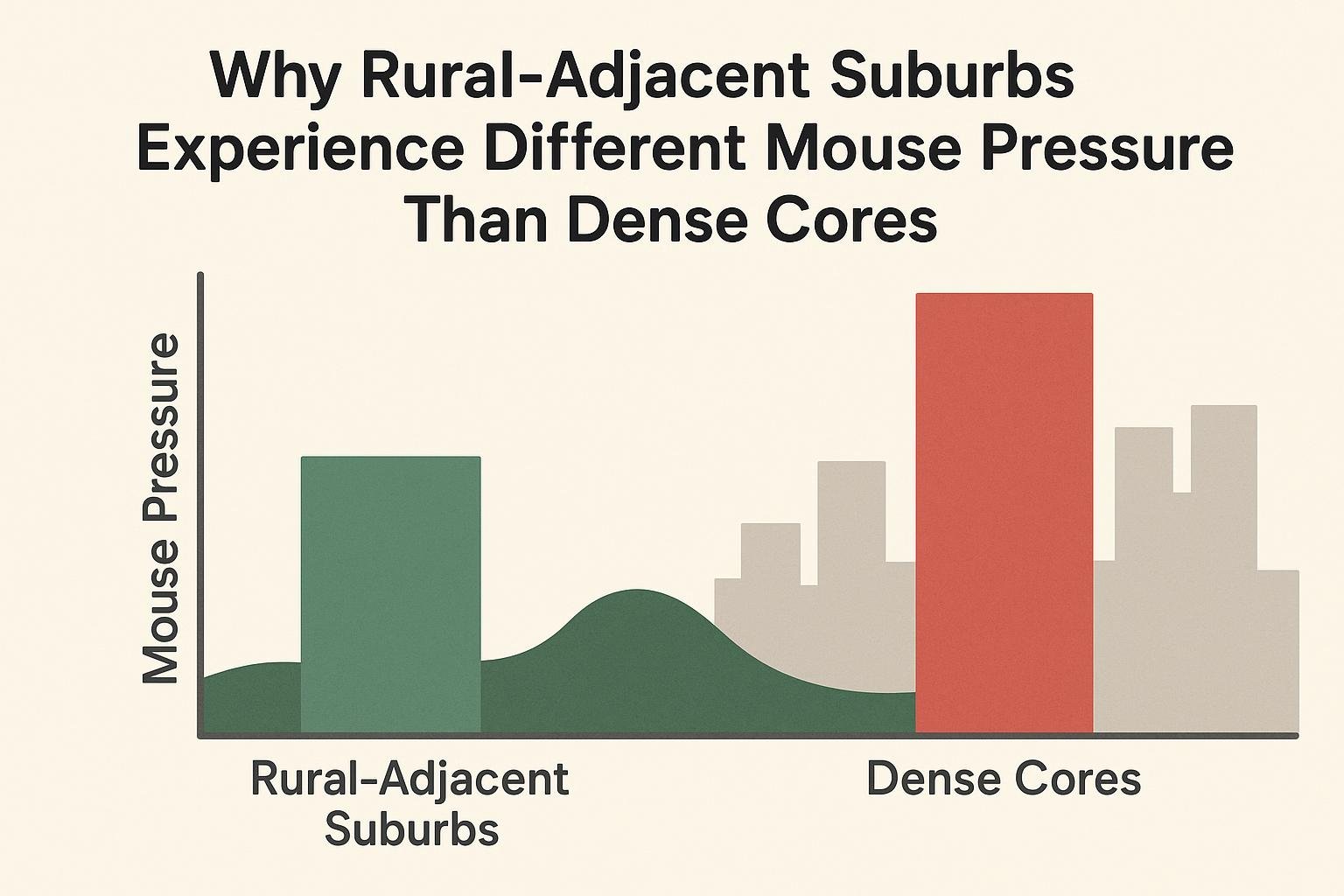
Buildings surrounded by high rodent populations face constant pressure. Even minor openings attract mice attempting to enter from outdoors. -
Changing Environmental Factors:
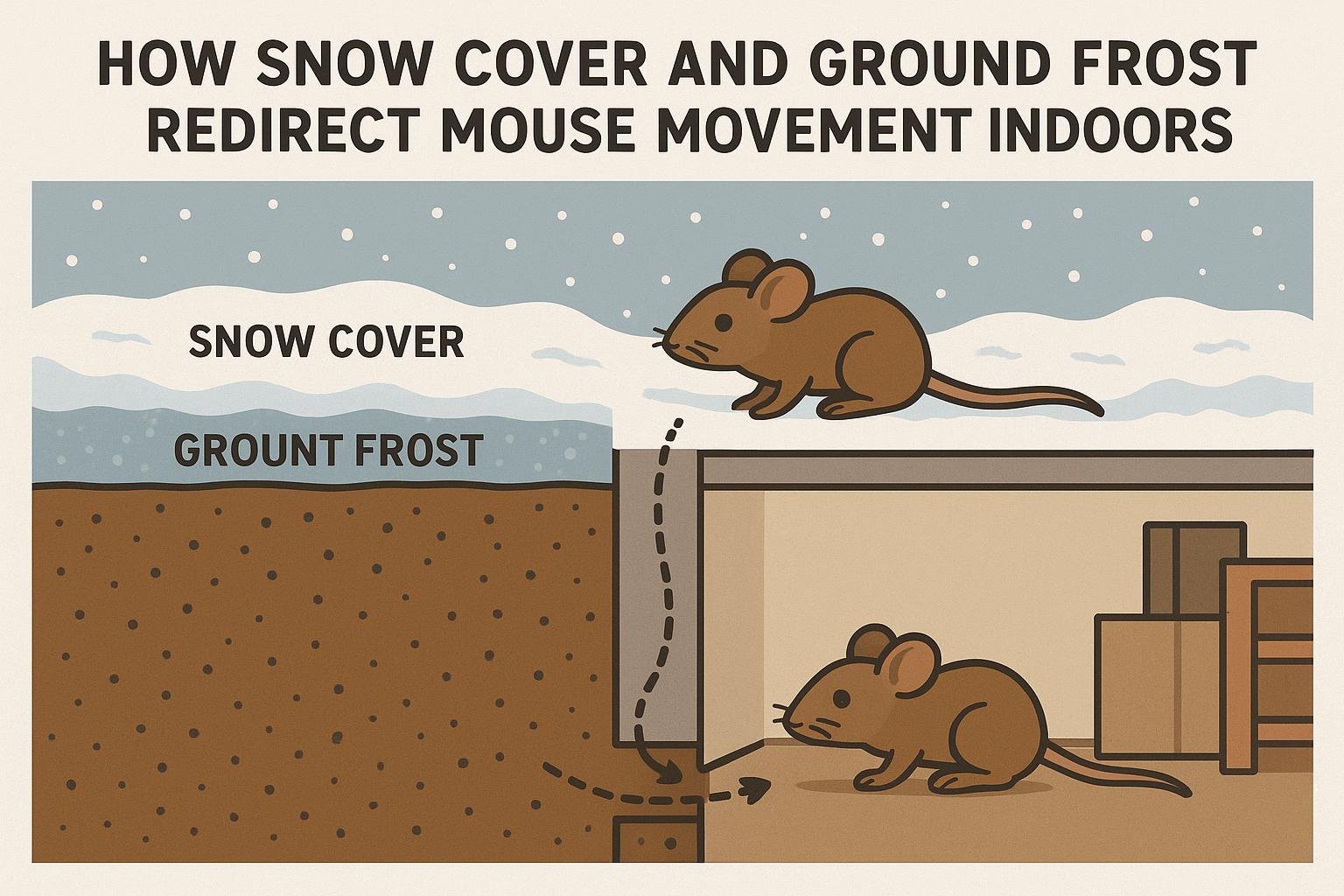
Seasonal shifts in weather and temperature repeatedly alter mouse habits, influencing their use of newly accessible spaces.
Limits and Constraints in Understanding Mouse Activity Linked to Renovation
Predicting exactly how renovation affects mouse activity involves uncertainty. Outcomes depend on many variables that differ from case to case:
- Construction methods vary significantly, from minor cosmetic work to extensive structural remodeling.
- Building types and materials influence how easily mice enter and move.
- Outdoor environmental factors, including local rodent density and climate, play critical roles.
- Renovation timelines and the sequence of tasks affect when and how mice respond to disturbances.
Because of these variables, no simple model explains all cases of increased mouse activity after renovation. Some sites may see no noticeable change, while others experience a temporary surge followed by reduction.
Failure Modes and Common Errors in Addressing Renovation-Related Mouse Activity
Efforts to control or prevent mouse activity during renovation often encounter unexpected challenges:
-
Ignoring Hidden Openings Created by Work:
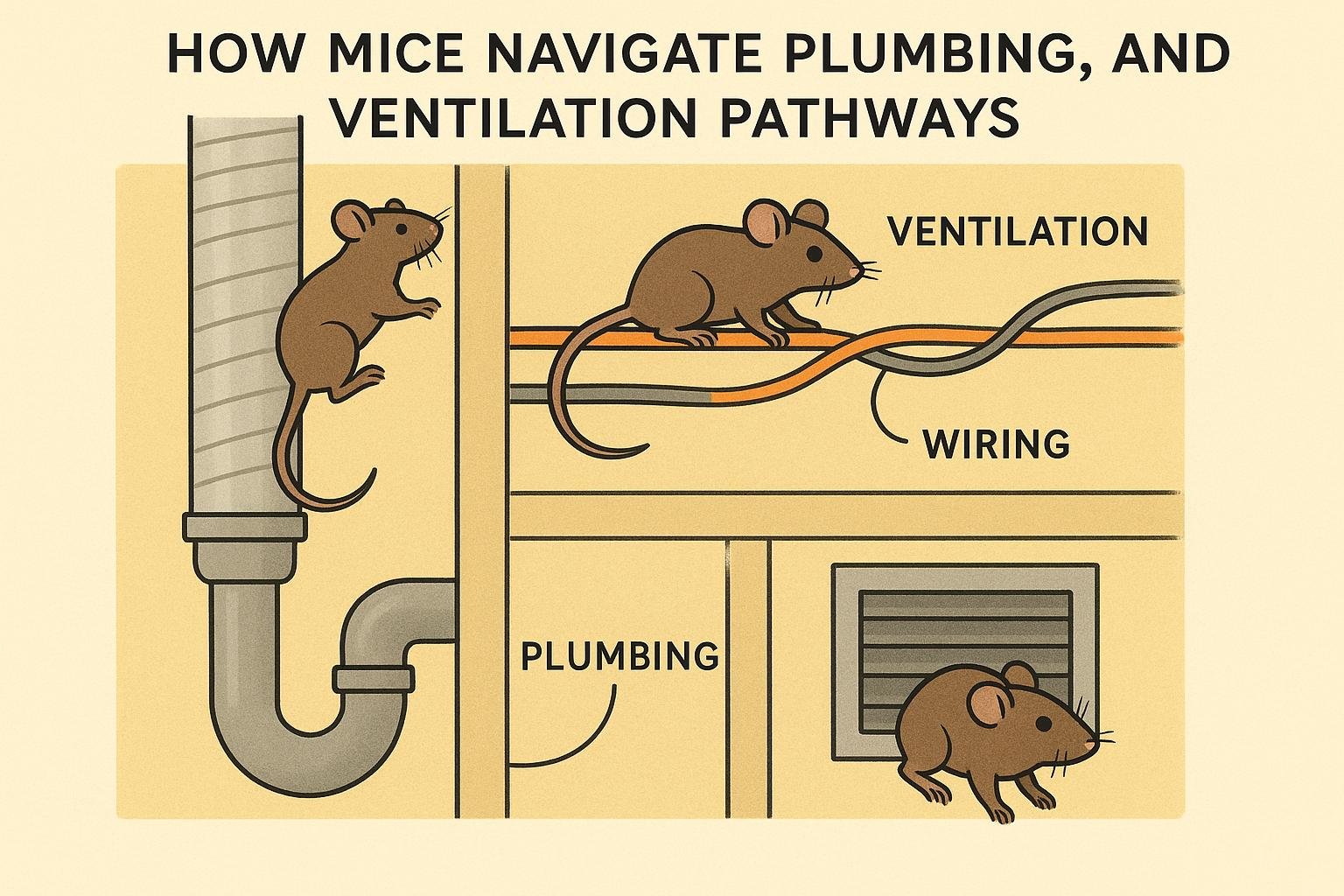
Focusing only on large, visible gaps misses small but significant entry points, such as spaces around pipes or vents. -
Assuming Mouse Activity Correlates Directly with Visible Damage:
Mice use narrow and subtle paths that appear intact to humans, so lack of obvious damage may lead to missed activity signs. -
Believing Renovation Prevents Future Infestations:
Construction alone does not guarantee long-term avoidance. Without considering mouse behavior and environmental conditions, activity tends to persist. -
Overlooking Temporary Habitat Changes:
Renovations can leave behind debris or incomplete changes that offer temporary mouse refuge, which may go unnoticed in post-work cleaning.
Specific Examples Illustrating Mouse Activity Triggered by Renovation
-
In a home undergoing kitchen renovation, temporary removal of baseboards and cabinets exposed wall cavities. Mice took shelter behind walls and appeared inside cabinets soon after work started.
-
During attic insulation replacement, workers opened access panels and left insulation pieces scattered. This debris attracted mice that were previously outside, increasing indoor activity.
-
A commercial building replacing window frames created gaps around new fittings. Small openings allowed mice to enter the building attic, an area previously inaccessible.
These cases illustrate that even planned renovation activities can unintentionally support mouse movement and nesting if structural details are not carefully managed.
Pros and Cons of Renovation from the Perspective of Mouse Behavior
Pros:
- Renovation removes or disturbs existing nests, which may force mice to relocate temporarily.
- Some construction makes buildings less attractive if insulation and debris are removed.
- Structural updates may close legacy entry points if properly done.
Cons:
- Renovation disturbs mouse habitats, potentially increasing activity and spread temporarily.
- Work creates new openings and obstacles that mice exploit.
- Changes in building environment can unintentionally attract mice.
- Construction waste and clutter offer shelter and food sources.
Summary of Interaction Between Renovation and Mouse Activity
Renovation work changes the physical environment in ways that often affect mouse presence. Disruptions cause mice to move, seek