Introduction
Temperature changes with the seasons are a major influence on the behavior and movement patterns of many creatures, including mice. Mice, like many organisms, respond to the shifting climate by adapting their activities to ensure their survival. This article delves into the manner in which seasonal temperature variations affect indoor mouse movement patterns.
Mouse Behavior in Cold Seasons
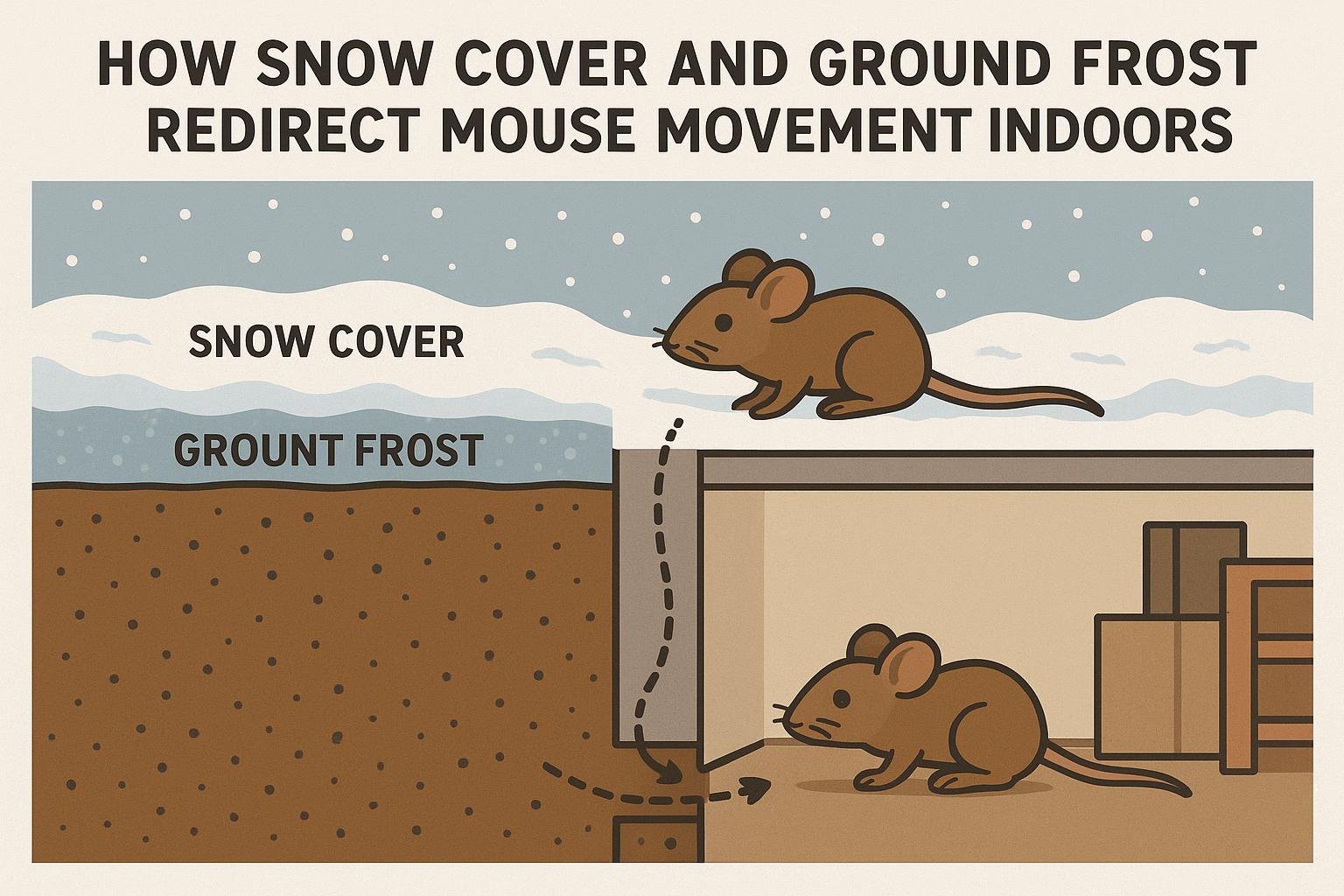
During the cold seasons, mice often seek warm places. As the outdoor temperature drops, mice start moving into houses to escape the chilly conditions. Mice are warm-blooded animals and need to stay warm to survive. Cold exteriors can pose a survival threat, initiating a shift in their movement patterns. Mice usually move to warmer areas in the house, such as around heating systems and insulation materials.
Temperature Influence on Mouse Reproduction
Even mice reproduction is influenced by seasonal temperature changes. Lower temperatures often slow down the reproductive cycle of mice. Typically, mice reproduce more rapidly in warmer seasons, with the offspring needing a warm environment for healthy growth. Therefore, you will see more mice indoors during warmer months, as they are in their active breeding phase.
Mouse Behavior in Warm Seasons
In warmer seasons, the movement patterns of mice also exhibit conspicuous changes. During this period, while some continue to stay indoors, others may also venture out in search of food, water, and additional shelter. Warmer weather offers a more hospitable outdoor environment for mice. However, if food, water, and safe nesting sites are readily available indoors, they might not leave the premises.
Increased Mouse Activity in Certain Seasons
You may notice more mouse activity in the transition periods between seasons, particularly from warm to cold. This is when mice start relocating to warmer regions inside structures. This does not necessarily mean that the number of mice has increased—it often represents a change in their movement patterns driven by the shift in temperature.
The Role of House Temperature
It’s important to note that the indoor temperature of your house can also affect mouse movement patterns. Mice prefer temperatures around 24-26°C (75.2-78.8°F). If your house’s indoor temperature falls within this range, it might be more attractive to mice. Therefore, constant temperature regulation indoors can impact their seasonal movement.
Limits and Misconceptions
There are some misconceptions about mice and seasonal temperature changes. Mice do not hibernate, contrary to what many believe. They remain active throughout the winter, albeit mostly indoors in colder regions. Also, a sudden influx of mice indoors does not necessarily mean an increase in population. It’s primarily their movement pattern that’s changed due to external temperature shifts.
Conclusion
Seasonal temperature fluctuations undeniably alter the movement patterns of mice, especially when it comes to selecting locations for activity or nesting. Understanding these patterns can improve how we manage our spaces and interactions with these tiny creatures. As with many elements of nature and biology, the response of mice to temperature changes is nuanced and multi-faceted, often dependent on a range of variables besides just the thermometer’s readings.