Introduction
One common issue homeowners may face is the intrusion of small pests, such as mice, into their homes. When it comes to this problem, it is essential to recognize the influence of building foundation design. The arrangement and makeup of a property’s foundation affect mouse entry points, and this influence might develop over time.
How Mice Enter Buildings
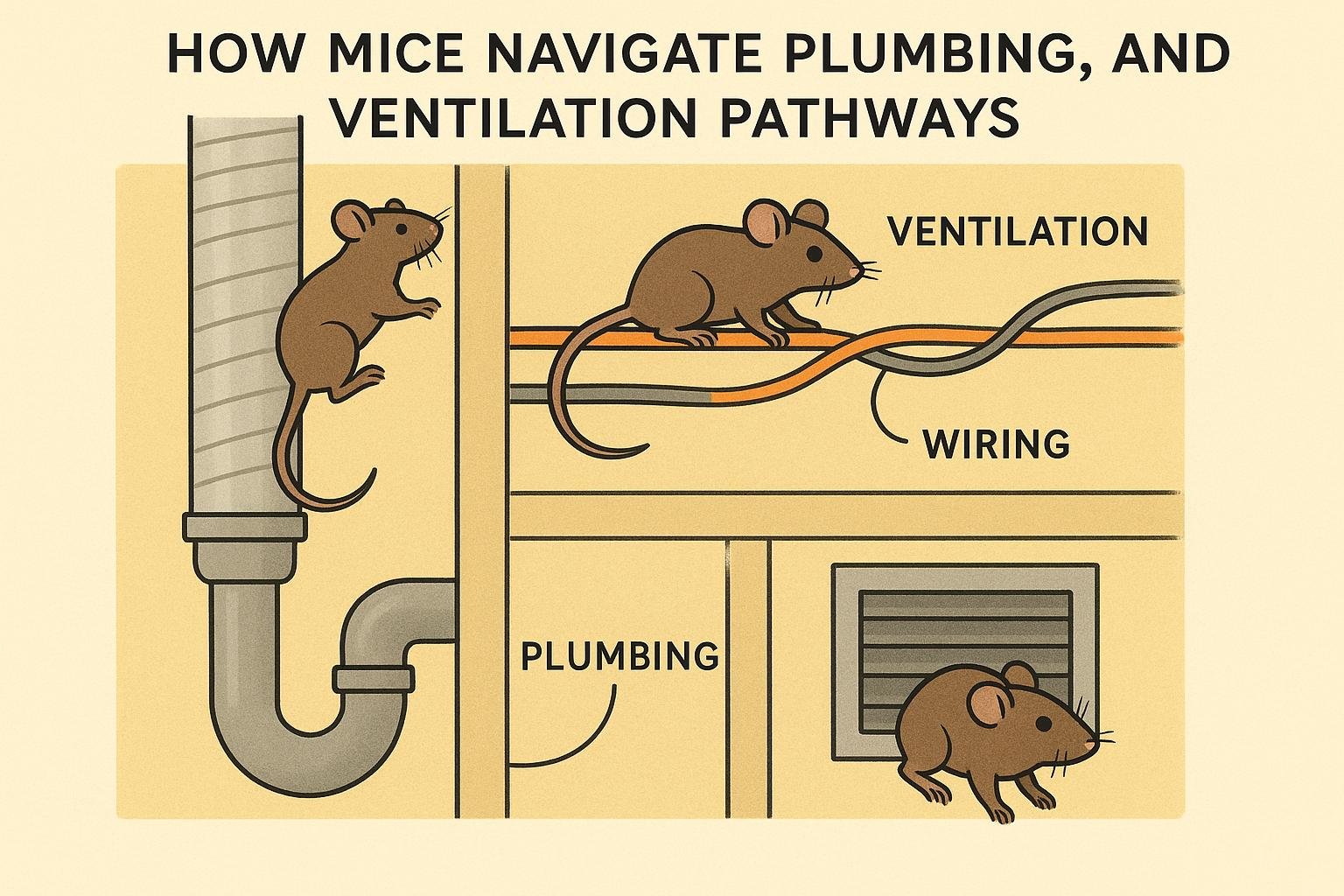
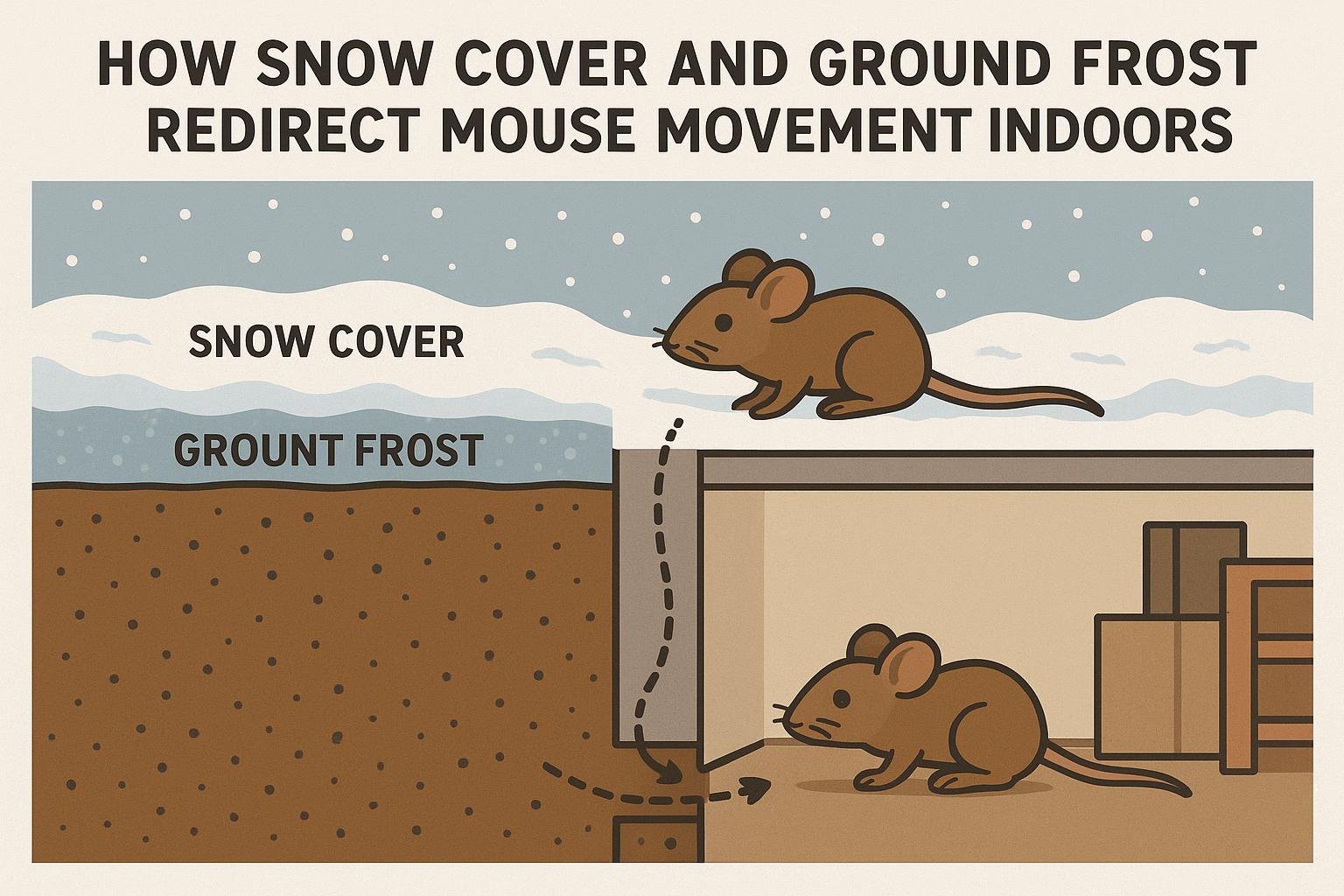
Mice often enter buildings in search of food and shelter. They can squeeze through openings as small as a quarter of an inch, exploiting any structural weaknesses. Spaces around plumbing or gas line entries, voids in brickwork, and drainage points are some common entry areas. Cracks or gaps in the foundation are particularly attractive to mice. A home’s foundation can present these opportunities for mice, and the influence of the design may change over time.
Role of Foundation Design
The design of a building’s foundation plays a significant role in mouse entry. For instance, properties that have slab foundations, which sit directly on the ground, might present more accessible points of entry. Conversely, properties with pier-and-beam foundations are raised slightly off the ground, which can reduce potential entry points but might still provide access points through beams.
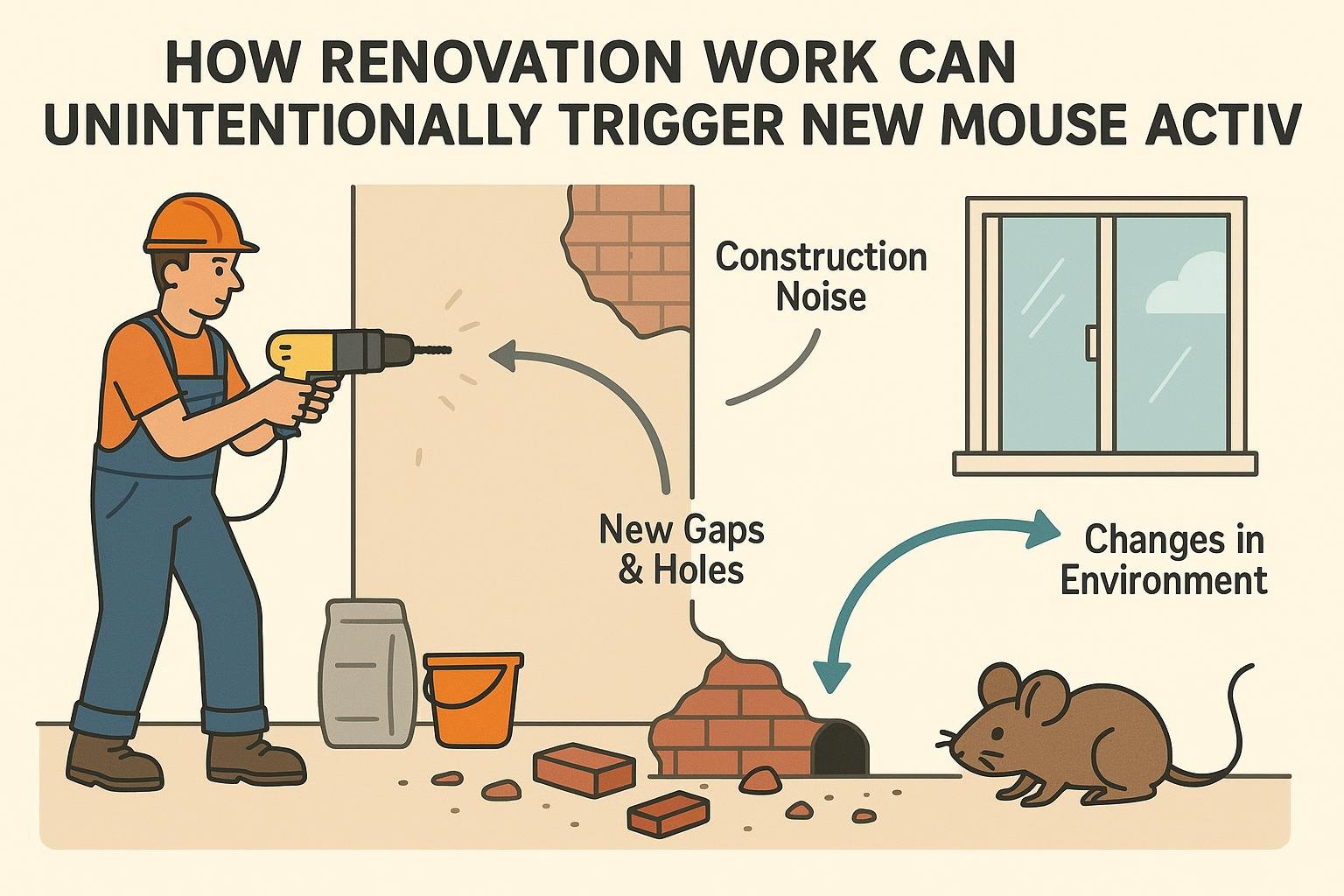
Over time, foundation design continues to influence mouse entry. As homes age, materials decay, ground settles, or minor shifting occurs, cracks may form in foundations regardless of their design, serving as potential entry points for mice. Thus, a foundation design that initially might seem secure can become susceptible to mice entry over time.
Foundation Materials and Mouse Entry Points
The foundation material also plays a vital role in mouse entry. Concrete, bricks, stones, or wood are frequently used foundation materials. Concrete slabs, for instance, are challenging for mice to chew through, but cracks that develop over time can offer entry points. Likewise, bricks and stones can form gaps and voids, often due to settling or frost heaves. Wood can decay or get damaged, presenting more opportunities for mice over time.
Misunderstandings about Foundation Design and Mouse Entry
A common misunderstanding is that a well-designed foundation eliminates the risk of mice entering a home. While foundation design can limit the potential entry points, no design or material can entirely prevent entry, especially considering the impact of time and natural wear and tear. Even a sturdy concrete foundation will experience cracks and gaps eventually, providing opportunities for mice.
Limits and Constraints
It is important to acknowledge that completely eliminating potential mouse entry points in a building’s foundation is typically not possible. Even the most well-designed and flawlessly constructed foundations will age and shift slightly over time. This is a natural process that can in turn create cracks and other small breaches, making the foundation more accessible to mice than it might have been initially.
Conclusion
Understanding how foundation design influences mouse entry points over time is key in managing and controlling the intrusion of these small pests. Although the initial design and materials do contribute to the risk of mouse entry, the slow, steady progression of time is likely to create vulnerabilities, irrespective of the foundation type and its initial integrity. No foundation is completely immune to wear and tear, and each will eventually present areas that mice could exploit. Recognizing this inevitability allows homeowners to monitor their foundations effectively and take timely interventions as needed.