Defining the Problem
Fall is a time when mouse problems tend to spike, even in well-maintained buildings. This is a common and recurring phenomenon that building owners, maintenance workers, and residents often encounter. It’s important to note that this not a reflection of the sanitation or upkeep of the building.
Why Mouse Problems Occur in Fall
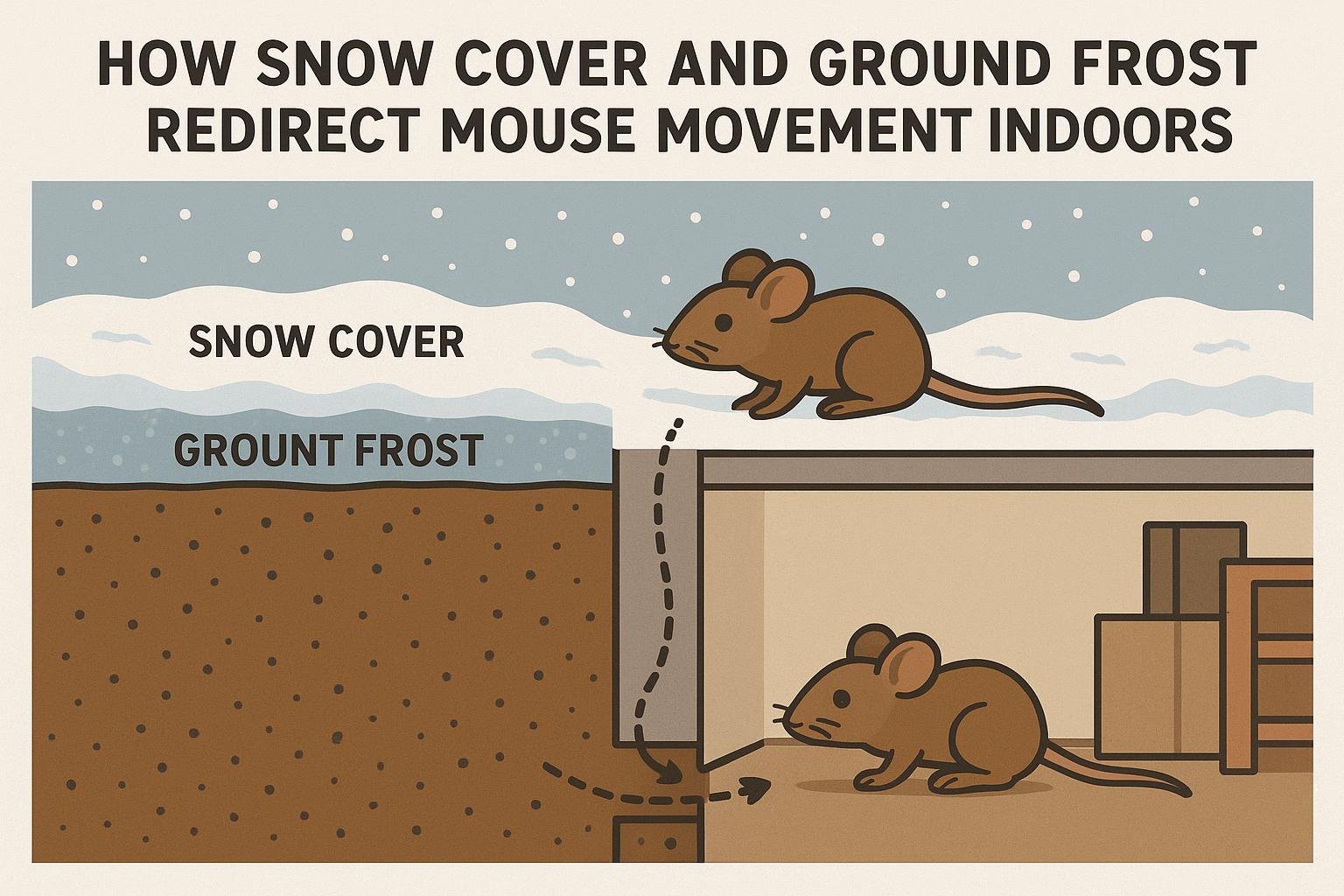
Mouse infestations increase in fall due to a primary reason: the change in the weather. With the arrival of cooler temperatures, these mammals seek warmer environments to survive, breed, and find food.
In the outdoors, their typical habitats such as fields, gardens, and woodlands, become inhospitable due to the drop in temperature. Given that mice can squeeze through tiny holes and cracks, even well-maintained buildings are not immune to these fall infestations.
Another factor is the availability of food. Outside food sources become scarce, driving mice indoors. In the building’s interior, they have access to plentiful food supply from leftover meals, unsealed food containers, garbage cans and even pantry goods.
Understanding Recurrence and Persistence
The persistence or recurrence of mouse problems in buildings during fall may seem perplexing, especially if preventative measures are in place. However, these small creatures possess impressive adaptability and survival skills that enable them to thrive in indoor environments.
Firstly, mice breed rapidly. In ideal conditions, a female mouse can have up to 10 litters per year, each with about six young. Within a few weeks, these young mice can start breeding too, leading to exponential growth in their population.
Secondly, mouse prevention measures can fail due to their small size and flexible body structure. Mice can squeeze through gaps as small as a pencil’s diameter, meaning that even minor structural flaws can allow them entry.
Misconceptions and Failures
A common misconception is that mouse problems only occur in poorly maintained or unclean buildings. Although cleanliness can help deter mice, it’s important to understand that even clean, well-maintained buildings can still attract mice due to the warmth and shelter they provide during the harsh fall season.
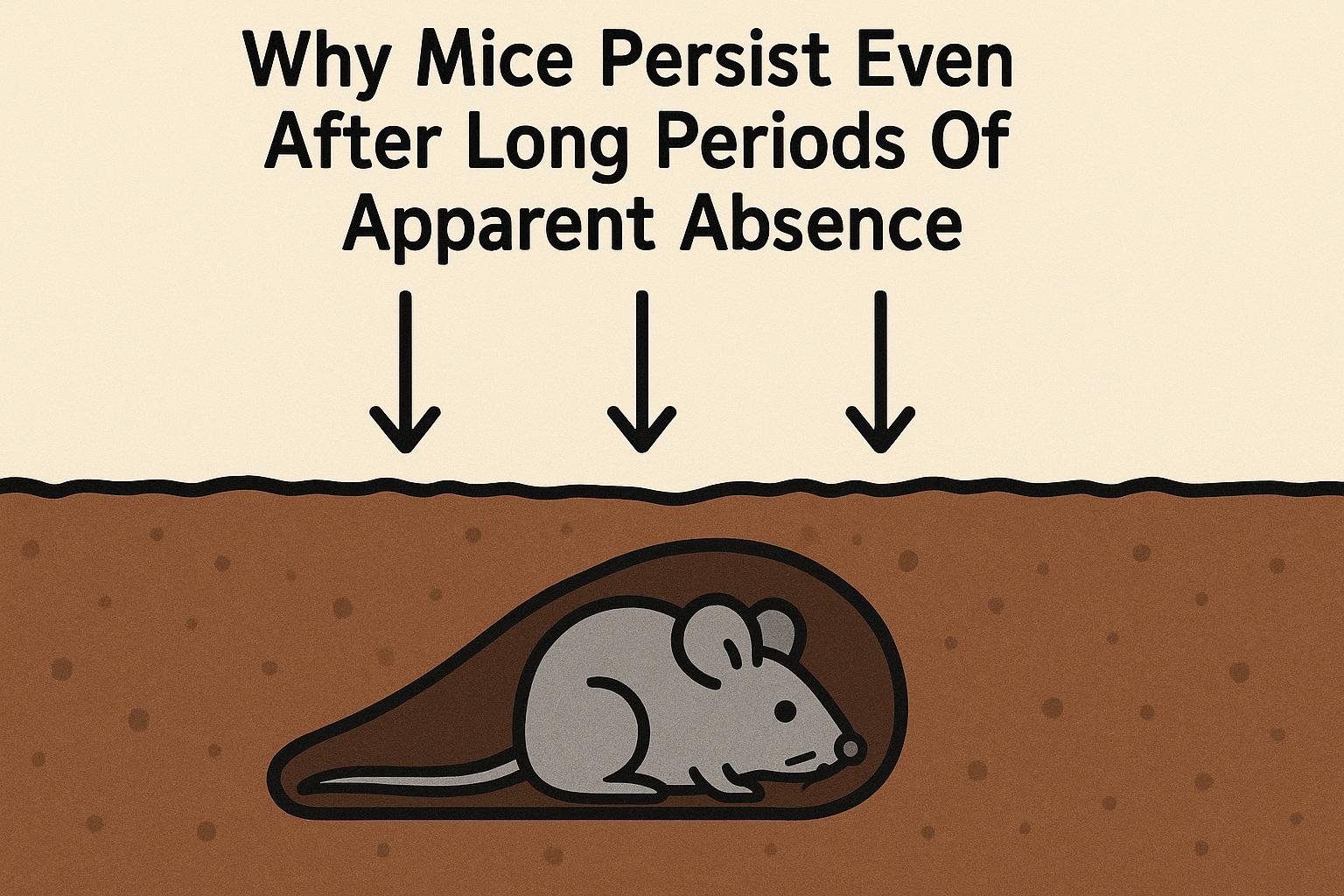
Another misunderstanding is that eliminating visible mice will resolve the infestation issue. However, due to their rapid breeding rate, unseen mice may still be breeding in hidden corners of the building.
Factors Limiting the Control of Mouse Problems in Fall
One of the limits to controlling mouse infestations is the structural aspect of the buildings. Patching up all small gaps and crevices can be an arduous task, especially in large or old buildings. Another constraining factor is mouse behavior. They are nocturnal and secretive, making it difficult to detect their presence and control their numbers.
Trade-offs entail choosing between various mouse control methods. While some may prefer traps and baits, these methods often deal with the existing population and don’t adequately prevent re-infestation. Comprehensive inspections and structural repairs might be more effective long-term solutions.
In summary, fall mouse infestations are a multi-factorial problem that involves environmental changes, biological characteristics of mice, and building structure intricacies. While it is often challenging to completely prevent these fall infestations, understanding their causes and patterns can help manage them effectively.