Understanding Mouse Behavior
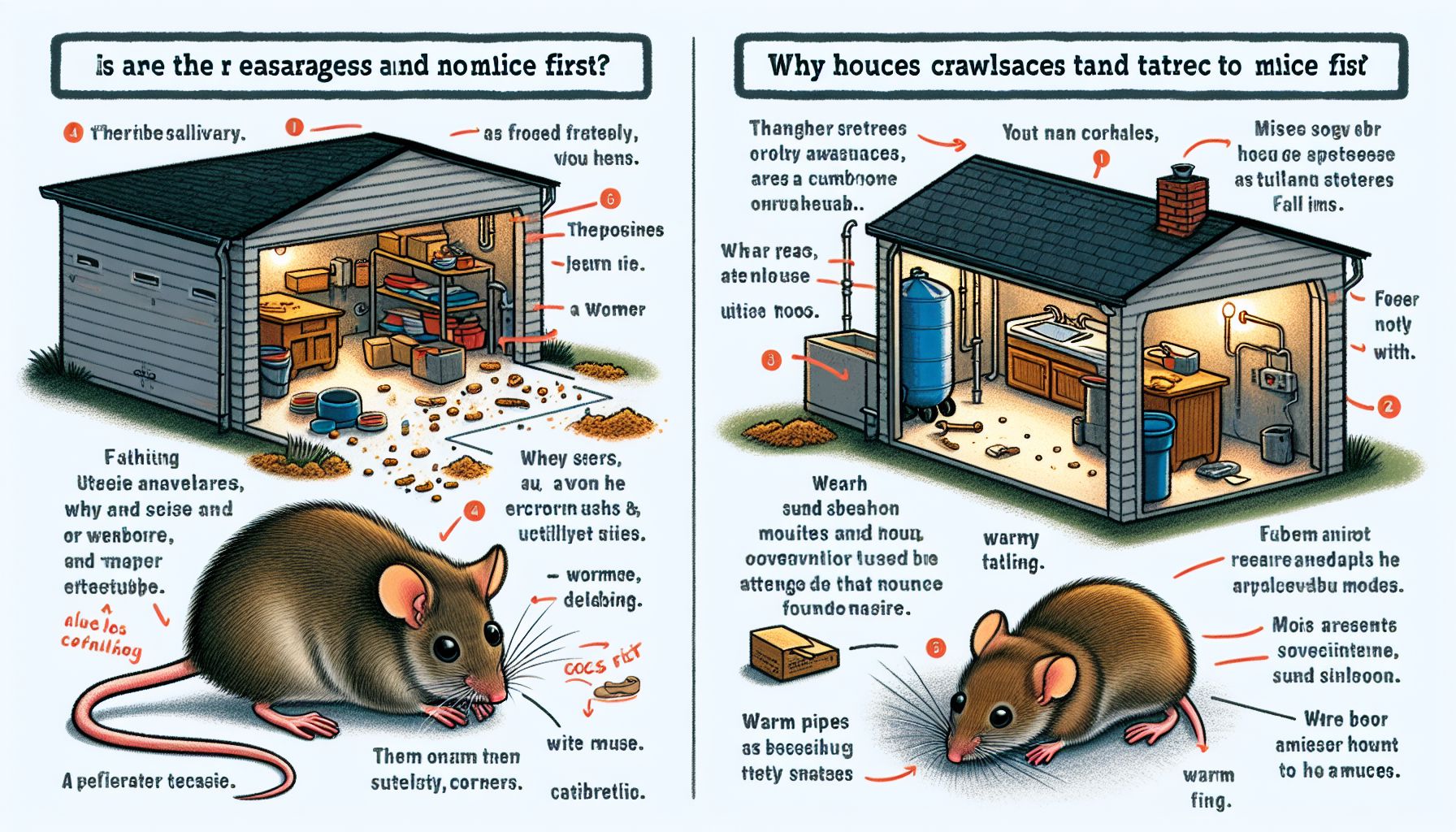
Mice, like many animals, adapt to their surroundings. Their behavior changes depending on factors in the environment. One such factor is food availability. Studies suggest that food availability within homes significantly shapes long-term mouse behavior.
The Impact of Food Availability
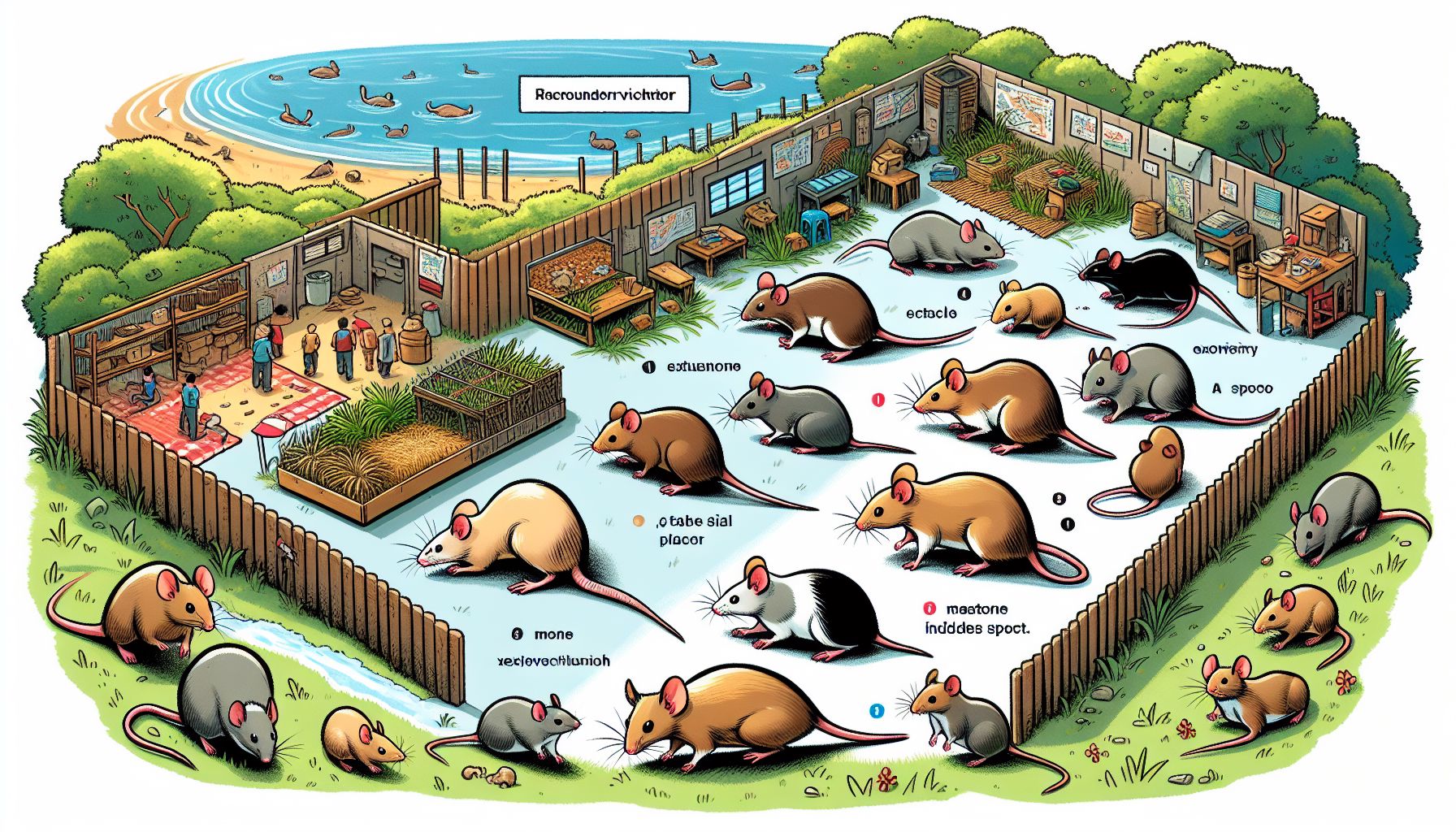
In homes where food is easily accessible, mice tend to display more explorative behavior. They roam around more and explore their environment. This behavior is a result of their feeling secure because of an abundance of food. In contrast, in homes where food is scarce, mice develop conservative behaviors. They limit their activities to safer areas. They venture out less to conserve their energy due to limited food resources.
Food Accessibility and Mouse Habits
Food accessibility directly impacts eating patterns in mice. In homes where food is abundant, mice eat whenever they want. Mice have inherently flexible eating patterns, and when food is freely available, they tend to eat at irregular intervals. In contrast, in homes where food availability is low, these nocturnal creatures stick to their natural eating pattern, which is during the night or when it is safe from predators.
Nest Building Tendencies
Another aspect of mouse behavior influenced by food availability in a home is nest-building. Availability of food in close proximity to their shelter encourages mice to build nests nearby. This behavior is a survival mechanism as it reduces the risk associated with searching for food. In comparison, when food availability is low, mice tend to nest farther away in areas that are safer.
Long-term Behavioral Change
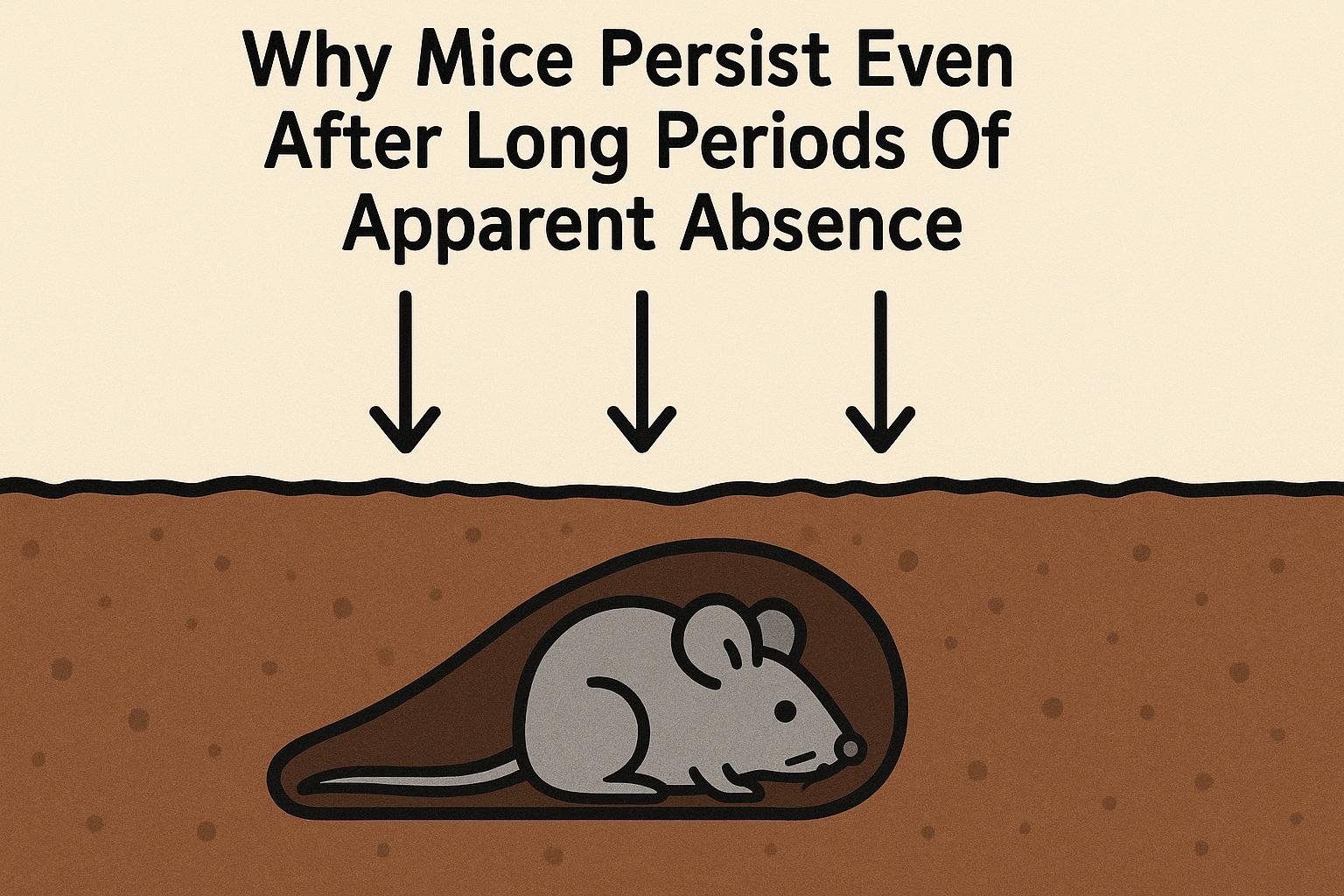
Behavioral changes brought by varying food availability in homes do not just pertain to the duration of scarcity or abundance. They can still be observed long after the availability of food inside the home has been adjusted. This observation suggests that the mice’s experience with food availability significantly influences their long-term behavior.
Eliminating Misunderstandings
It’s crucial to avoid some common misconceptions about mouse behaviour associated with food availability. A widespread myth is that the absence or removal of food sources results in mice leaving the home. In reality, mice are quite resilient and will often resort to subtler survival strategies.
Dealing with Limitations and Constraints
While the correlation between food availability and mouse behavior appears evident, it’s essential to remember that conclusions can differ in various settings and circumstances. The information shared above, while mostly accurate, can yield different results based on the unique conditions in each home.
In conclusion, the availability of food in homes plays a critical role in shaping the long-term behavior of mice. Understanding this relation can help humans better manage their interactions with these resilient creatures. However, for a more accurate understanding of mouse behavior, considering other environmental factors like safety, shelter, and temperature is necessary.