Introduction
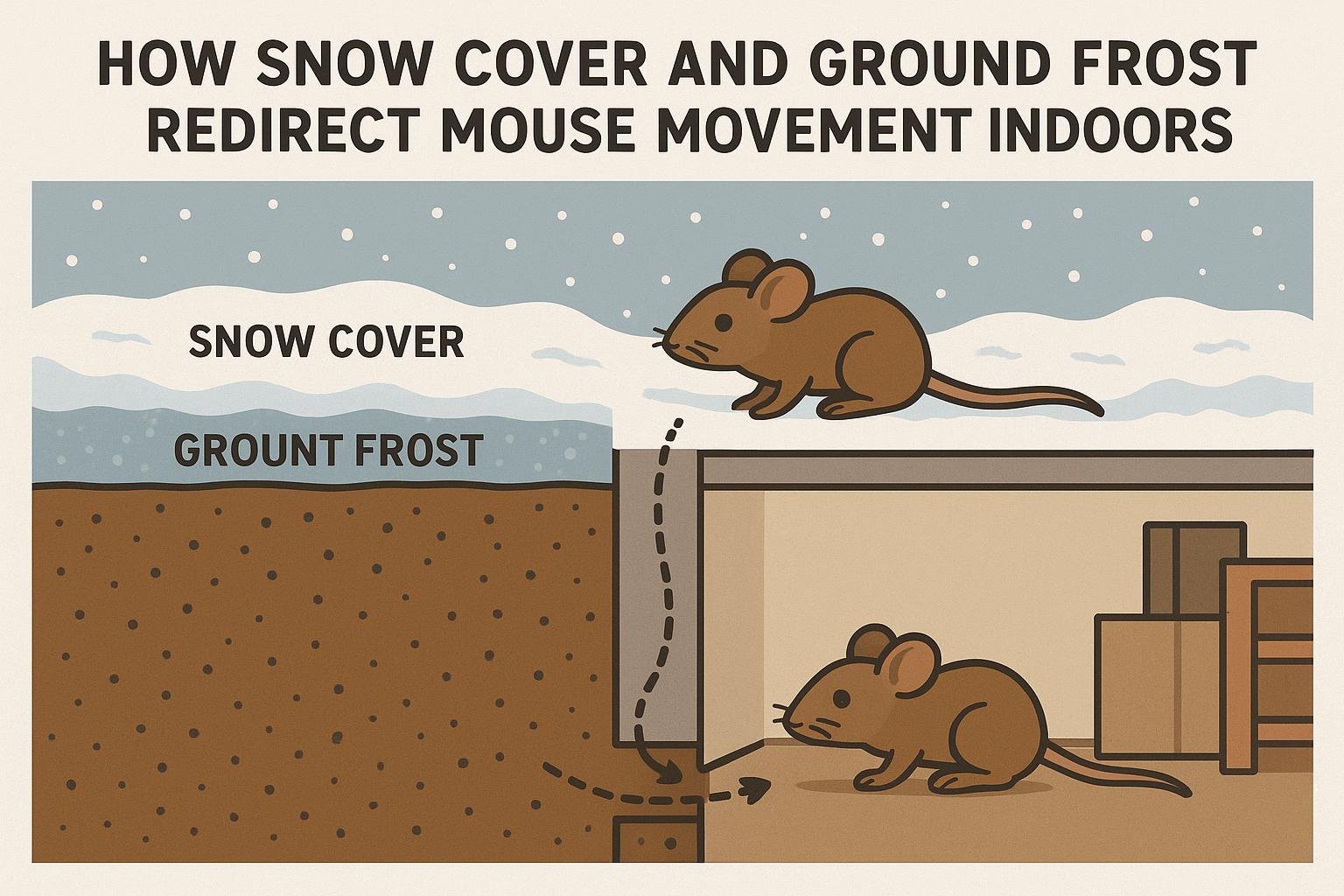
Older housing stock often has repeat instances of mouse issues. This article will explain why this problem occurs, how it develops more frequently in older buildings, and why it often returns after initial removal efforts.
The Age of the Housing
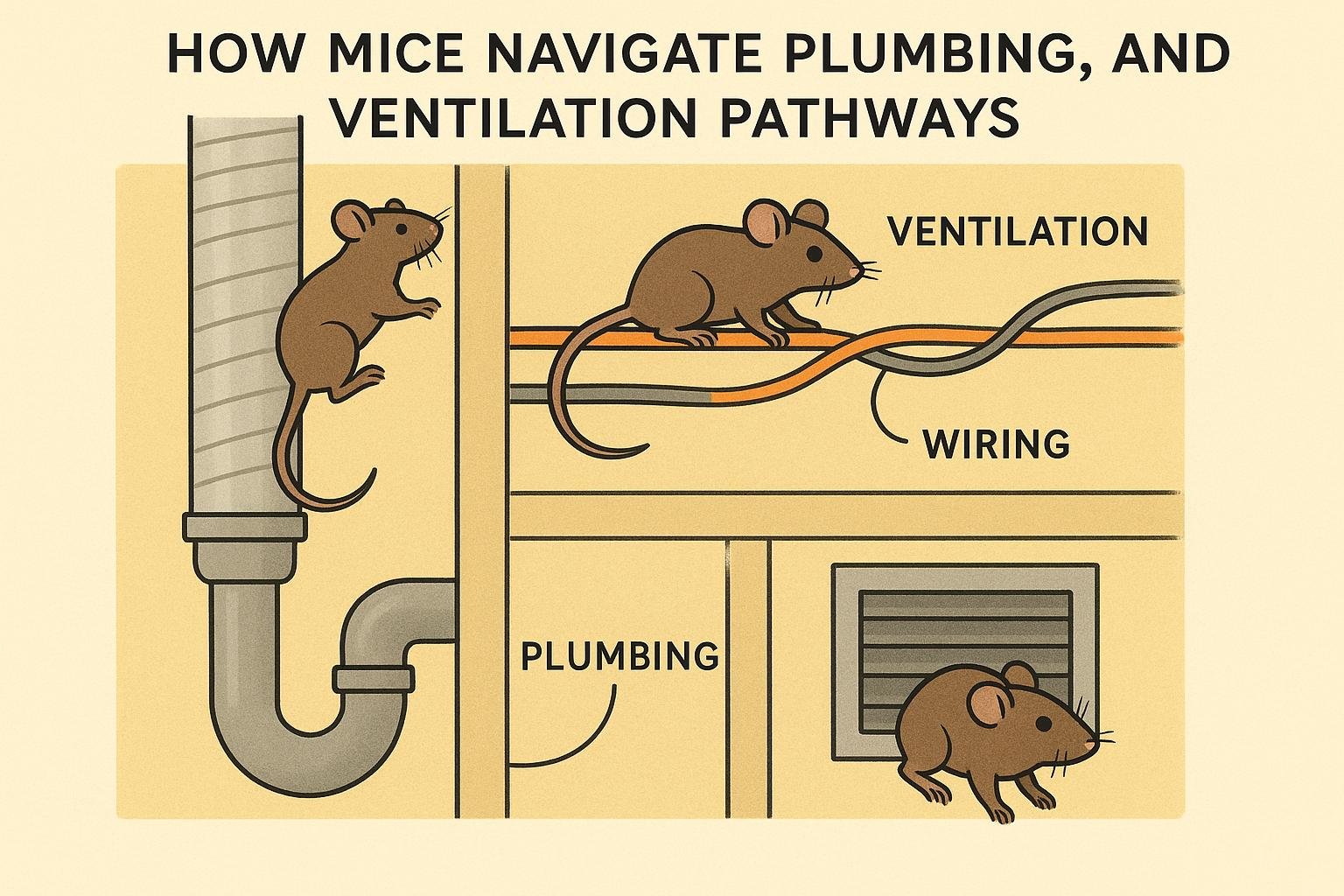
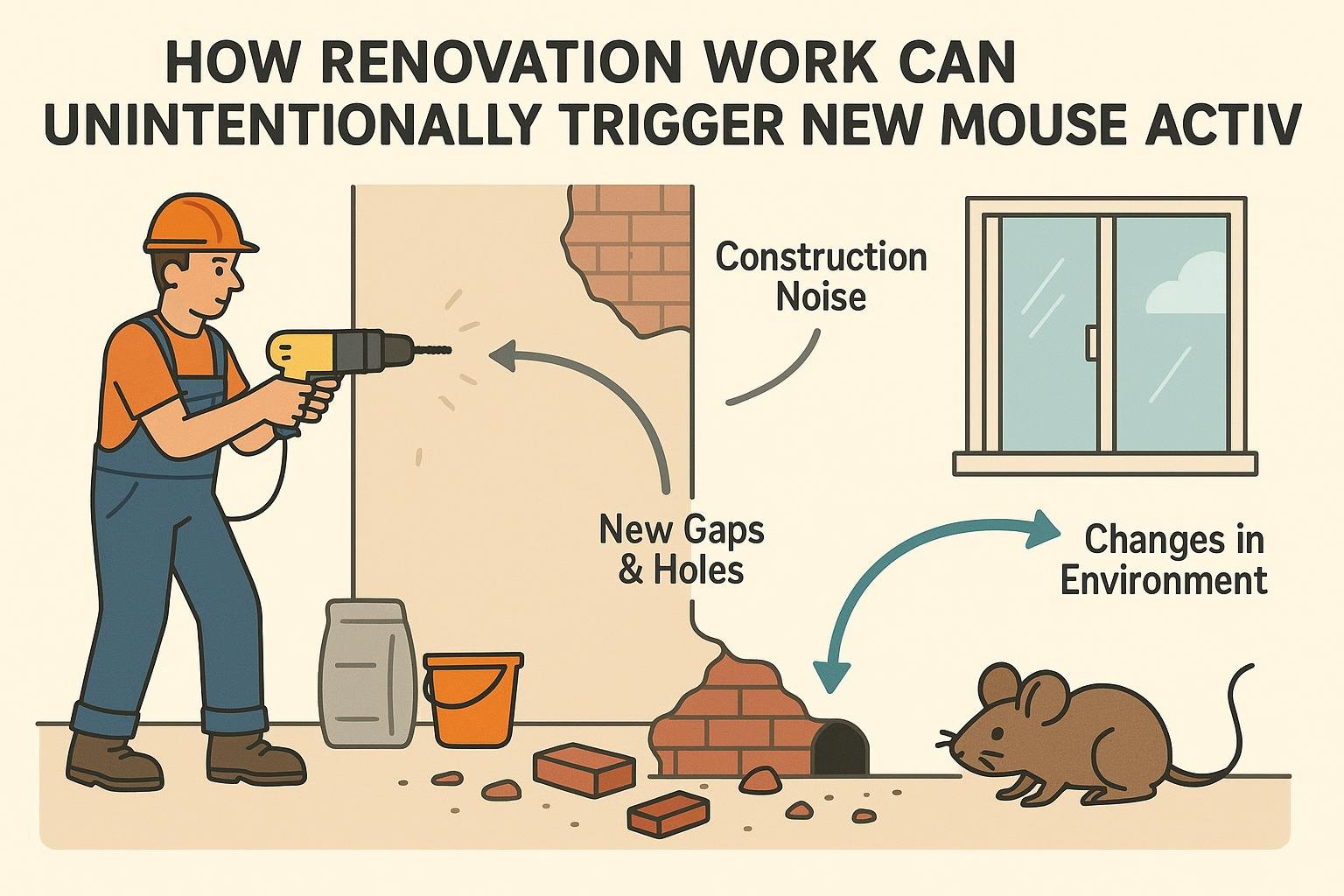
One of the significant factors is the age of the housing. Older buildings have had more time for wear and tear to take place, leading to structural weaknesses mice exploit. Additionally, the construction materials and techniques used in older homes often result in gaps, cracks, and holes that provide easy access points for mice. Sometimes, these structural vulnerabilities are not remedied properly, which often leads to a recurrence of the mouse problem.
Lack of Modern Pest-Proofing Techniques
In contrast to newer housing stock, older homes did not factor in modern pest-proofing techniques during their construction. This includes the absence of measures such as sealing gaps and holes, installing door sweeps, or including rodent-resistant insulation. Even minor alterations, such as installing mesh screens in vents, are often overlooked in older houses.
Weathering and Deterioration
Another prime factor contributing to mouse infestations in older homes is the impact of weathering and long-term deterioration. Over time, materials break down, wood rots, and what were once minor cracks can become large enough for a mouse to squeeze through. Frequently, these deterioration sites are in hard-to-reach places like attics and crawlspaces, making it difficult for homeowners to regularly monitor and maintain these areas. These factors contribute to the chronic nature of mouse infestations in older homes.
Incorrect Pest Control Approaches
Many homeowners might assume that the best solution to a mouse problem is to use traps or poison. While these methods may eliminate some mice, they do not address the root of the problem, which is the accessibility of the house to mice. Further, relying on these methods can lead to the misconception that the issue is resolved, potentially allowing the mice population to rebound.
Constraints and Limitations
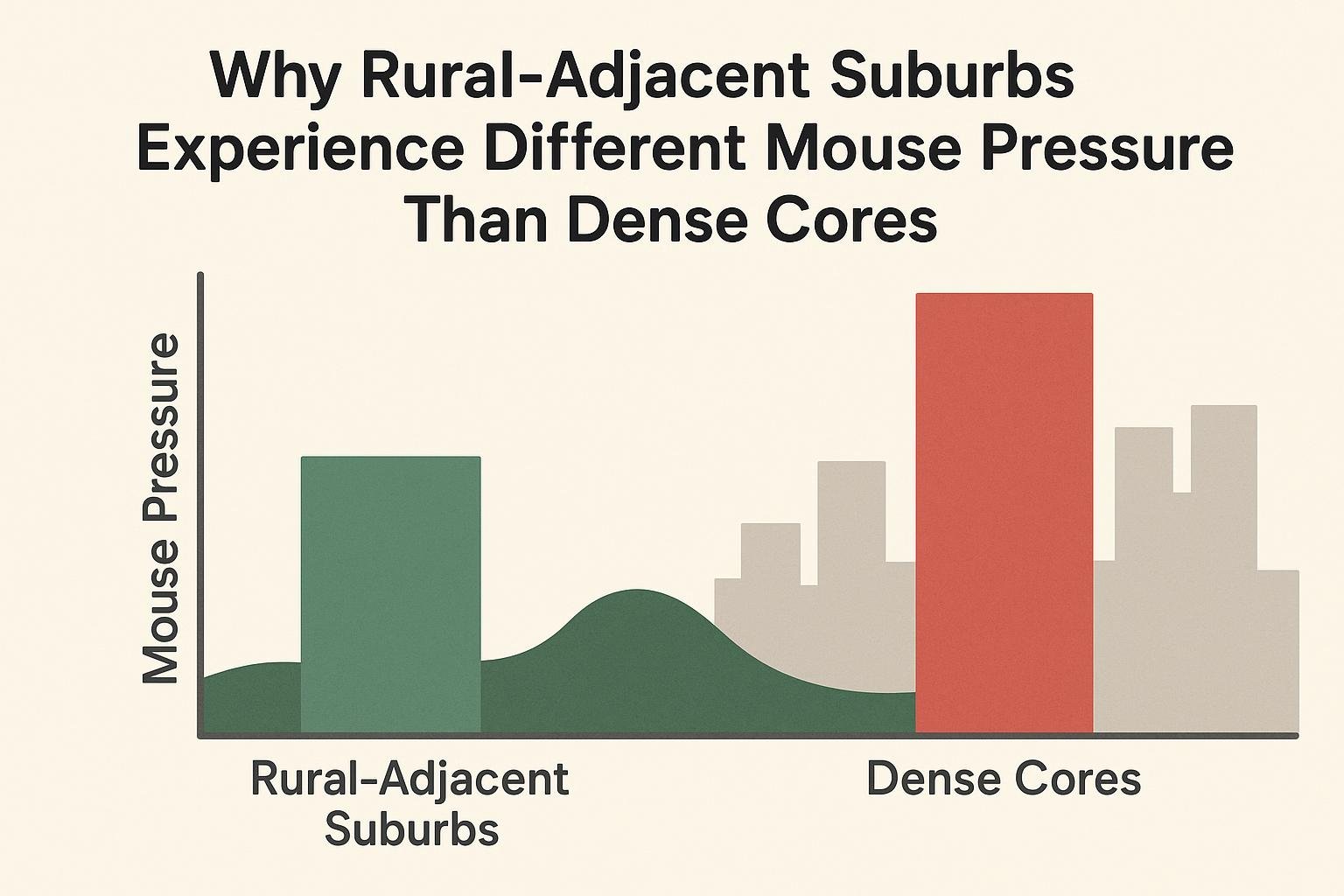
It’s essential to be aware of the limitations and constraints that contribute to the persistence of mouse issues in older homes. Eradicating a mouse population is complicated and often depends on the extent of the infestation, the house’s condition, and the immediate environment. For instance, if the property is located in an area with a high rodent population, there may be a steady stream of mice ready to reoccupy the house once the original population is removed.
A frequently overlooked aspect is that houses, irrespective of their age, are not standalone structures. They exist within a larger ecosystem that includes potential habitats and food sources for mice. As long as these factors persist, mouse issues can be a recurring problem.
Conclusion
In conclusion, it becomes apparent that older houses are more susceptible to recurring mouse problems due to a combination of their structure, age, a lack of modern pest-proofing techniques, and inappropriate pest control methods. However, it is essential to remember that eradicating a mouse population involves considering the broader ecological context and not just patching up holes or setting up traps. Dealing with repeat mouse issues implies a need for an integrated approach that takes into account both the house and its surrounding environment.